![1 generation [2015 - 2022]](/uploads/hyundai_creta_2016_1.jpg)


Note:
According to the maintenance plan, it is recommended to measure the density of antifreeze every 15 thousand km. mileage or once a year.
It should be remembered that depending on the air temperature, the density changes. To make the result as accurate as possible, measurements must be carried out at + 20 ° C and only on a cold engine.
To carry out the work you need a hydrometer. It is a float with a scale.

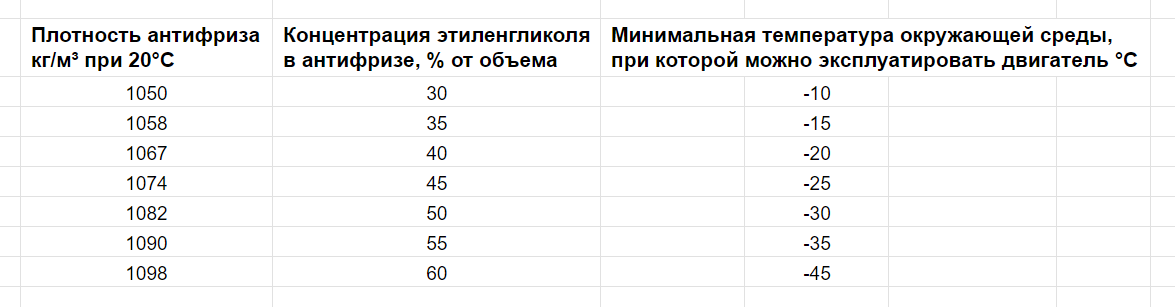
Depending on the density of Creta antifreeze, the float sinks to different depths, and by the value of the scale, near which the liquid level will be, you can determine its density in kg / m³. Having learned the density, using the table, you can determine the concentration of antifreeze.
To measure the density, it is more convenient to use a universal hydrometer. It has 2 scales: for checking antifreeze and for checking battery electrolyte. After measurements, it must be thoroughly rinsed so that the electrolyte does not enter the coolant and vice versa.
Checking the Density of the Coolant Hyundai Creta
1. Park the vehicle on a level surface and turn off the ignition.
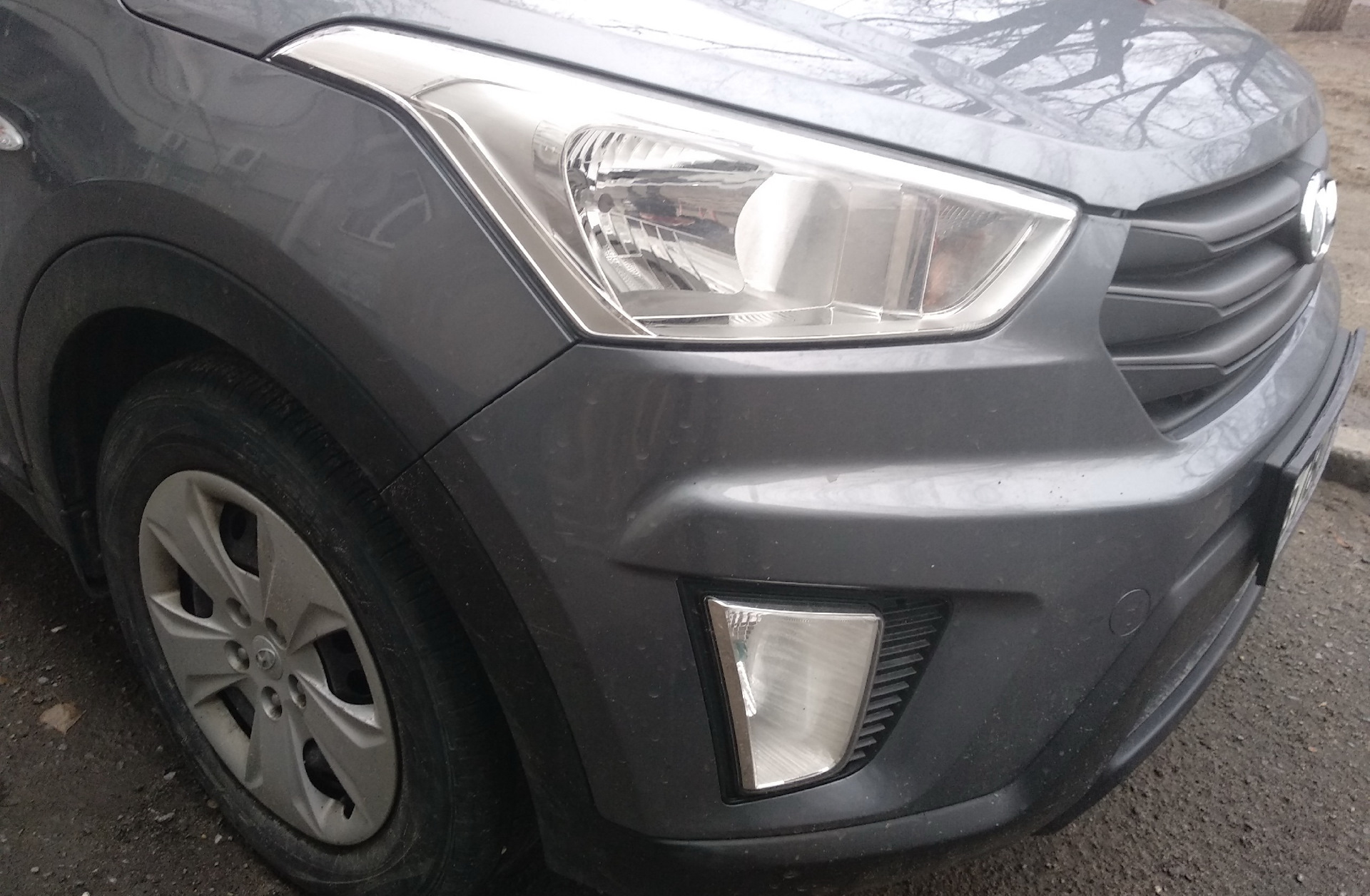
2. Raise the hood cover and fix it with the stop.

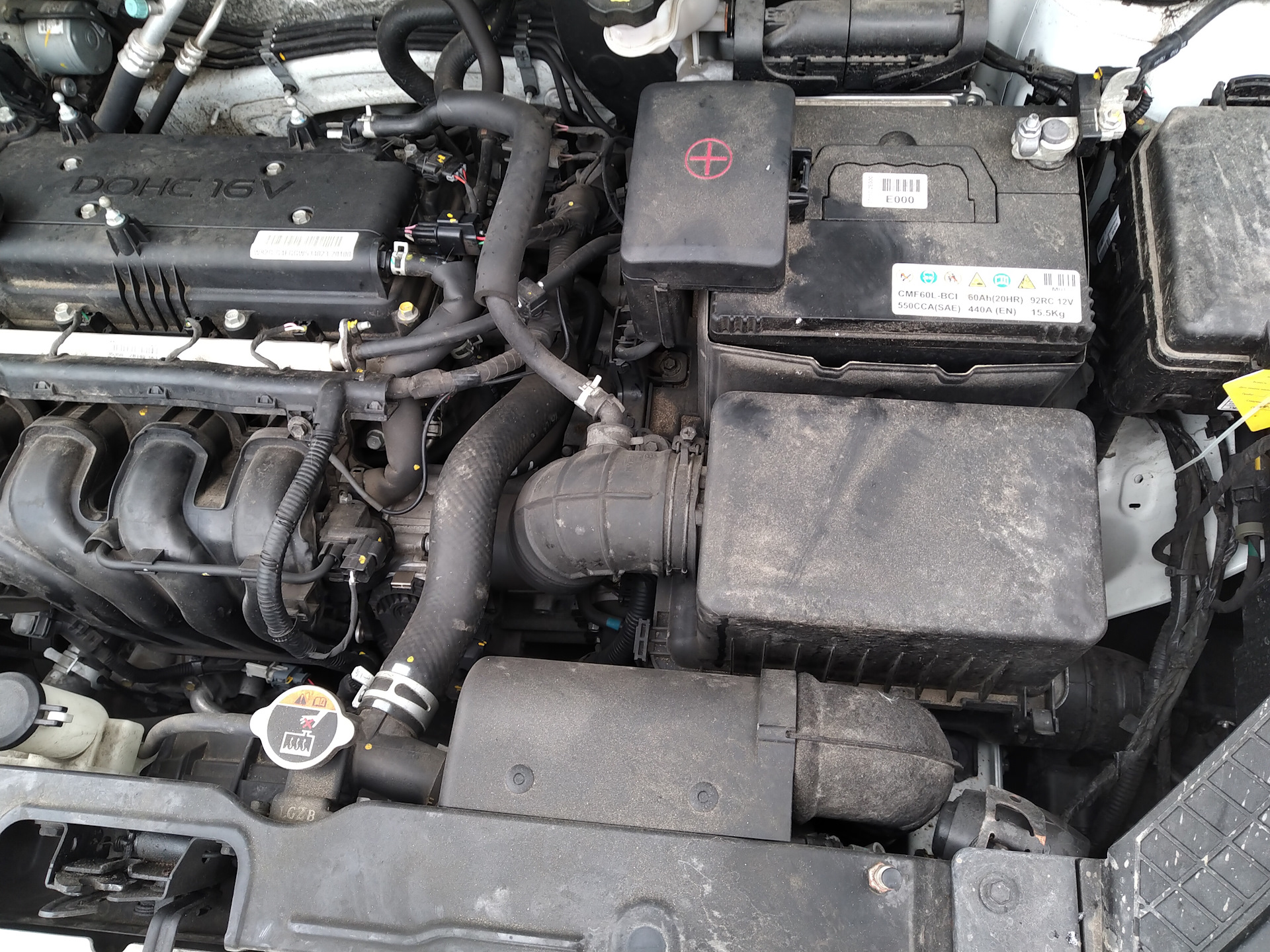
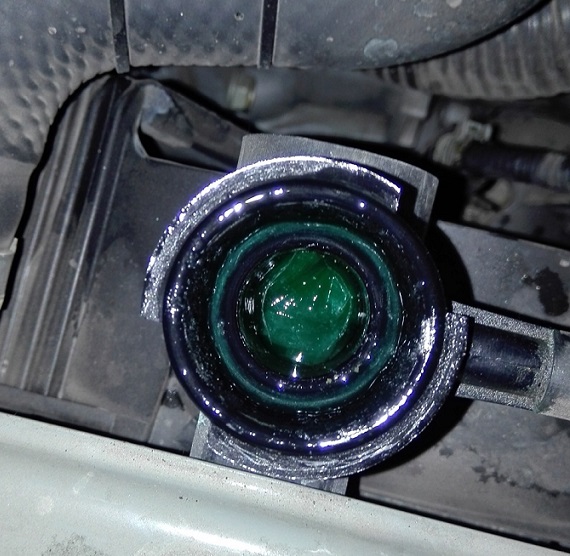
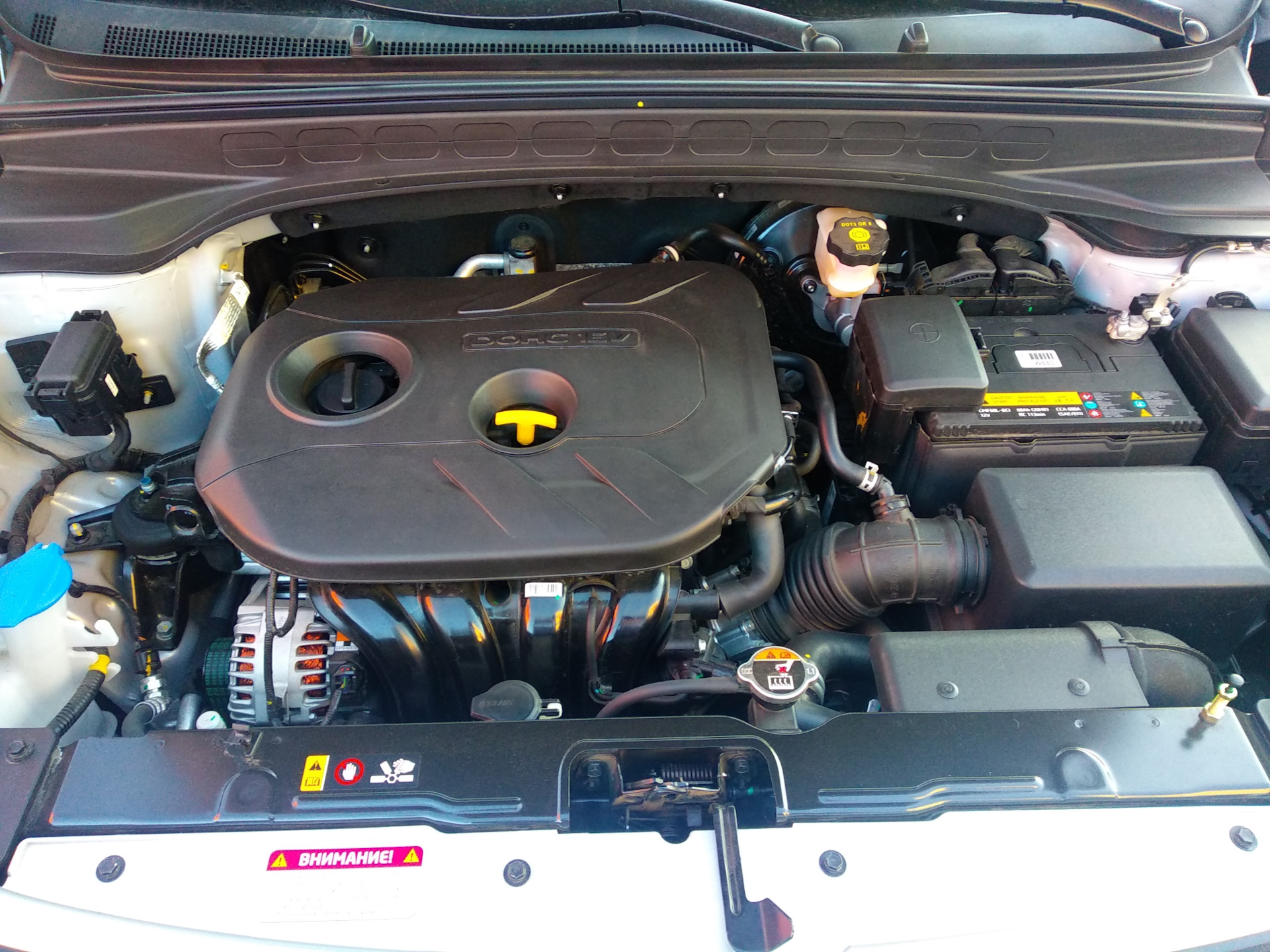
3. Slowly turn counterclockwise and open the radiator filler cap.
Warning:
Never open the cover when the engine is hot! It is very dangerous! You can burn yourself with boiling liquid or steam.
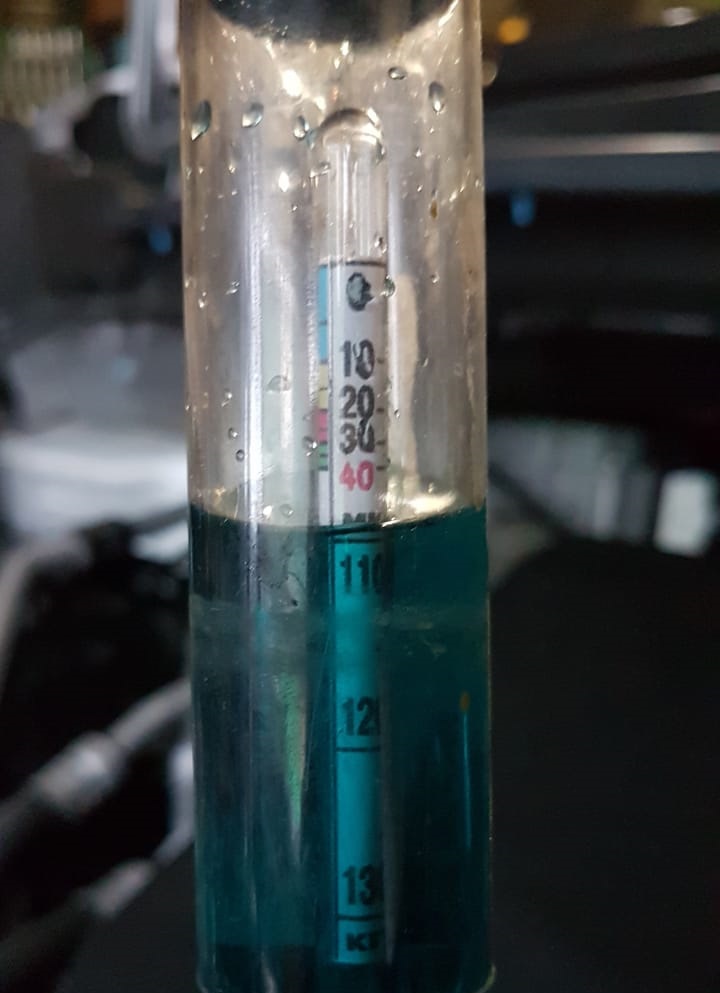
4. Lower the hydrometer into the neck and draw enough antifreeze into the flask so that the float floats.
Determine its density on the scale of the float.
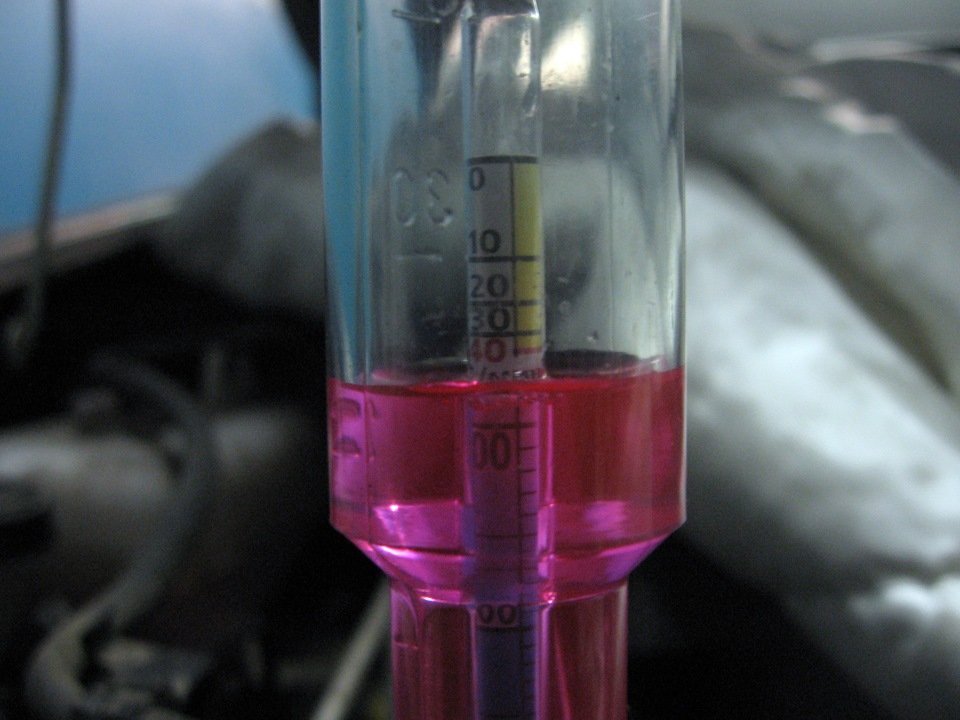
5. Based on the table, according to the density of the Hyundai coolant, get ahead of the concentration and minimum temperature at which it can be used.
Table of density and concentration of antifreeze Hyundai Creta
Note:
Do not try to maximize the concentration of ethylene glycol. With its increase over 70%, the freezing point of the liquid will decrease. At 100% ethylene glycol it will be only 12.9°C.
6. After checking, tightly tighten the radiator filler cap clockwise until it stops. Wipe up spilled liquid with a rag.
Source: carpedia.club