![W203/S203/CL203 [2000 - 2004]](/uploads/mercedes-c-klass-w203.jpg)


Tool:
- Voltmeter
- stroboscope
Parts and consumables:
- Ignition coil
- High voltage wire kit
- spark plug kit
1. The components of the control system are very reliable. Malfunctions are usually associated with unreliability or contamination of contacts. Faults in high-voltage wires are most often due to contamination, moisture, or damaged insulation, and not due to a malfunction of a system component. Before concluding that a component is faulty, check its wiring.
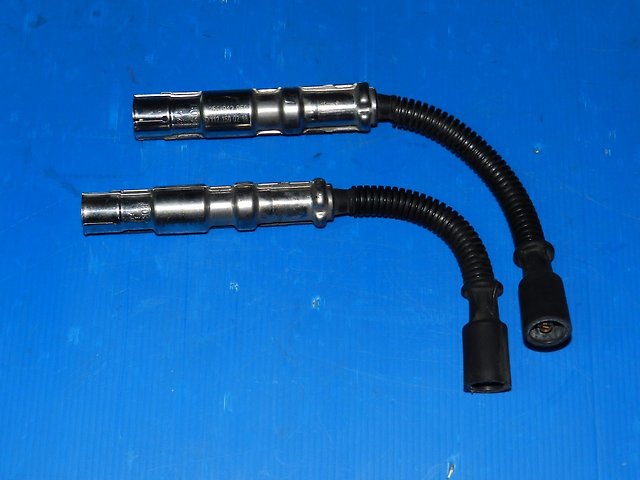
High voltage wire candlestick.
2. It is impossible to check the performance of the high-voltage wire by removing it from the spark plug and bringing it closer to the surface of the engine (observing the presence of a spark). You risk not only getting an electric shock, but also damaging the control unit or ignition coil. If the engine is unstable, never remove the wire lugs from the spark plugs to determine the faulty one.
3. The checks described below should be performed if the malfunction is obvious (starter failure, misfiring, etc.). Some malfunctions are less obvious and may not occur due to the fact that the engine management system has switched to emergency mode, ignoring the signals of individual sensors and using. This kind of malfunction manifests itself in an increase in fuel consumption, instability of idle speed, loss of power, detonation, etc. If you find similar symptoms, contact the service station.
Engine won't start
Keep in mind that if the anti-theft device fails, you will not be able to start the engine.
1. If the engine does not crank when the starter is turned on, or cranks very slowly, check the starter and battery.
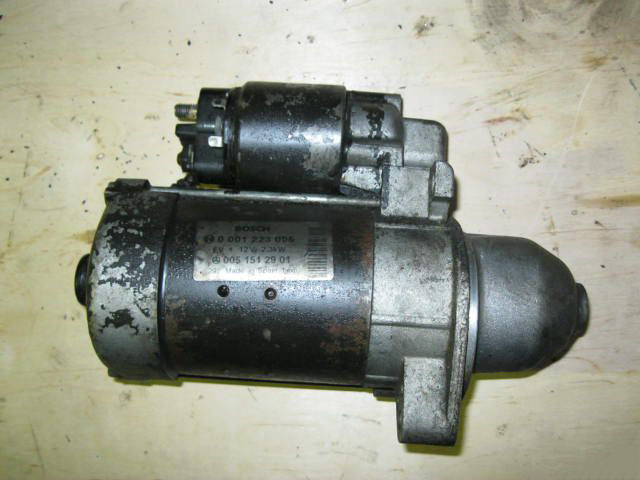
Starter.
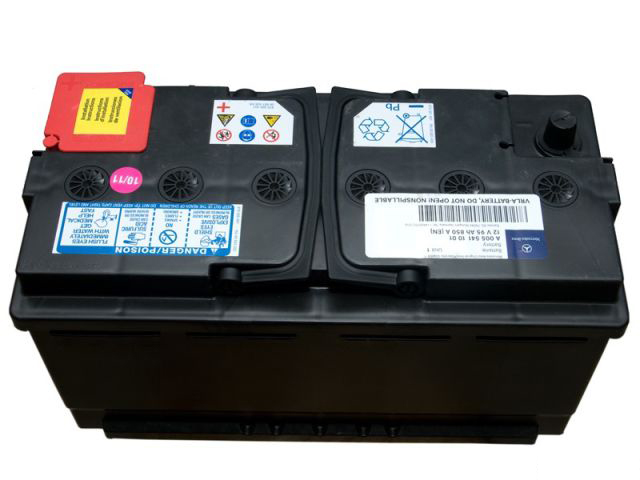
Accumulator battery.
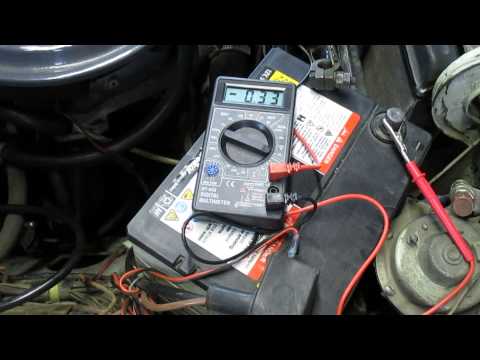
Connect a voltmeter to the battery terminals and measure the voltage while cranking the engine with the starter. Do not turn on the starter for more than 10 seconds. If the voltmeter shows 9.5 volts or less, make sure the battery, starter and charging system are working.
2. If the engine rotates at normal speed when the starter is turned on, but does not start, check all high-voltage components of the ignition system.
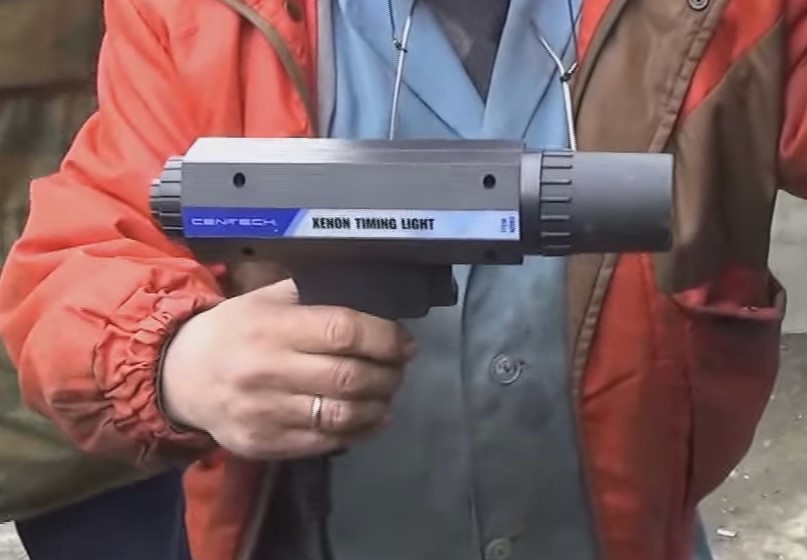
3. Following the manufacturer's instructions, connect a stroboscope and crank the engine with the starter. If the lamp on the strobe lights up, voltage is supplied to the spark plugs. Make sure the spark plugs are good. If the lamp does not ignite, check the high voltage wires.
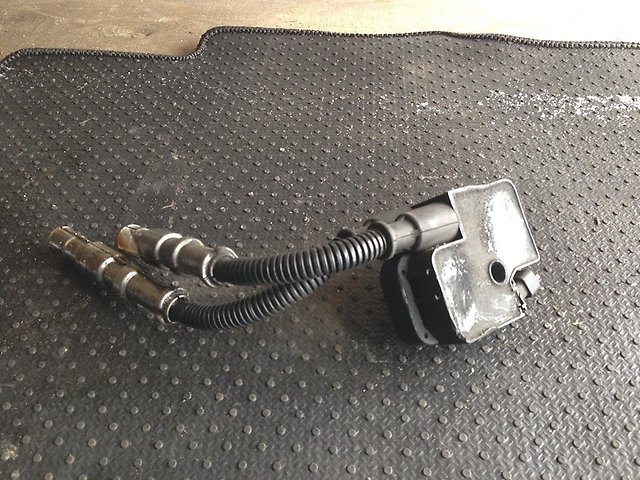
4. If there is no spark, check that the ignition coil is good (or substitute a known good coil or check the resistance of the windings). If no problem is found, look for it elsewhere. If, after replacing the coil, the engine starts to start, a malfunction has been detected. Do not rush to throw away the coil and buy a new one. Make sure the wiring is securely connected to the coil (the engine might not start due to oxidized contact).
5. If the coil is in order, it is possible that the powerful buffer output stage, which is an integral part of the engine control unit, one of the sensors of the engine management system, or an associated unit is faulty. In this case, a fault code must be recorded in the memory of the control unit, which can be read from the memory.
6. Fault codes can be read using special equipment.
Misfire
1. The cause of misfiring is most often unreliable contact of the wiring with the terminals of the ignition coil or any sensor.
2. Turn off the ignition and make sure that all connectors of the ignition system are securely connected.
3. Check high voltage wires. Make sure that they are securely fastened at the points of intermediate fastenings and do not come into contact with metal parts of the engine. If the wire touches the metal and its insulation is damaged, then when the engine is running, the spark will not be applied to the candle, but to the ground. If even a slight damage to the insulation of at least one wire is found, replace the entire set.
4. You can verify that the wires are fully functional by temporarily replacing them with known good ones.
5. When replacing wires, change them one at a time. This way you avoid the risk of incorrect connection. Do not damage the wires during installation.
6. If the high voltage wires are all good, the cause of the misfiring is most likely the ignition coil or spark plug of some sort. Install a new set of spark plugs or check the coil. Misfiring may be caused by a bad or dirty crankshaft position sensor.
7. If the check of the above nodes did not lead to an improvement in engine performance, read the fault codes from the memory of the control unit.
The article is missing:
- Tool photo
- Photo of parts and consumables
- High-quality repair photos
Source: http://auto-knigi.com/model/mb_c/7_1_2/