![LC [1999 - 2013]](/uploads/2002.jpg)
![MC [2006 - 2011]](/uploads/ade5hyundai-accent_2006_-_2010.jpg)


Tools:
- balloon wrench
- pressure gauge
- Compressor (if needed)
- Ruler
Parts and consumables:
- Protective caps for spools (if necessary)
- Tire (if needed)
Note:
To extend the life of Hyundai Accent tires, it is necessary to maintain the required pressure in them, check it regularly and bring it to normal. You should also check the tire pressure when the ambient temperature drops or rises significantly and before traveling long distances. When driving for a long time, especially at high speed, the tires heat up and the pressure in them increases. Therefore, the air pressure must be checked on cold tires, before the trip.
There is a sticker on the left B-pillar of the car that shows the air pressure for different tire sizes.
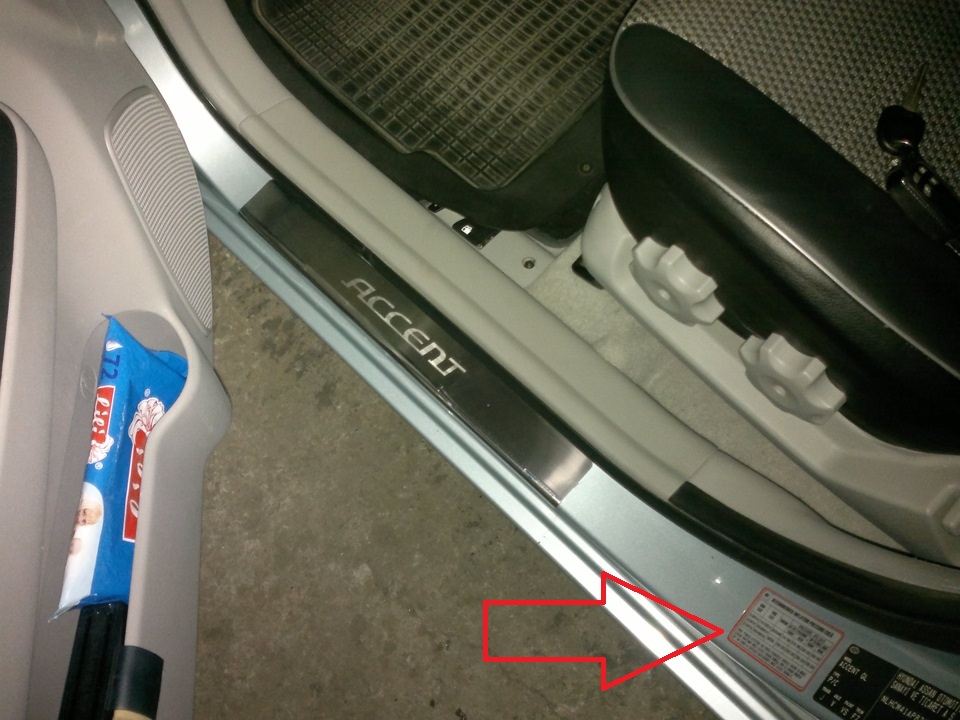
Recommended tire pressure label.
1. Unscrew the cap from the valve.
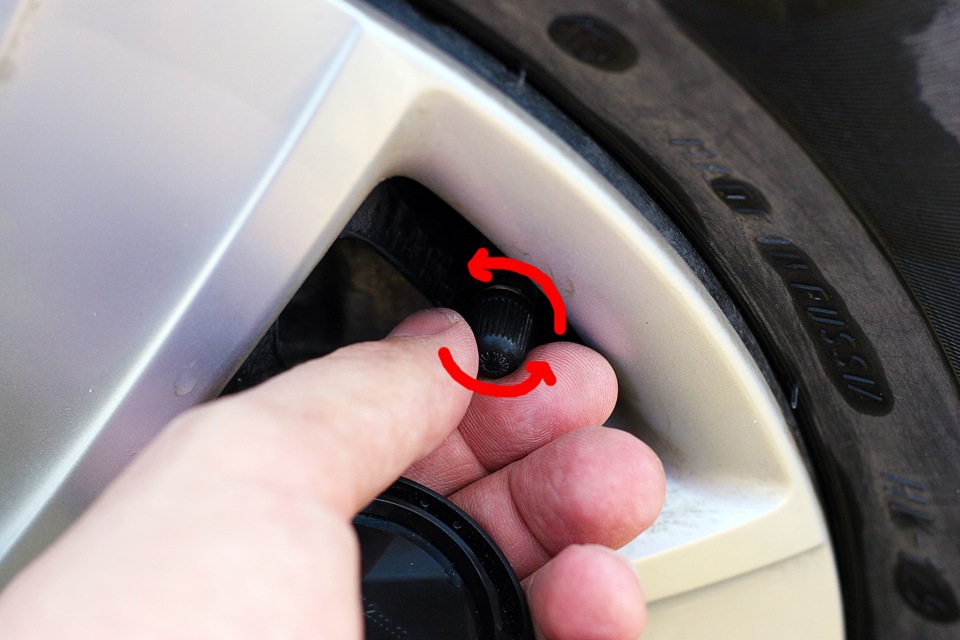
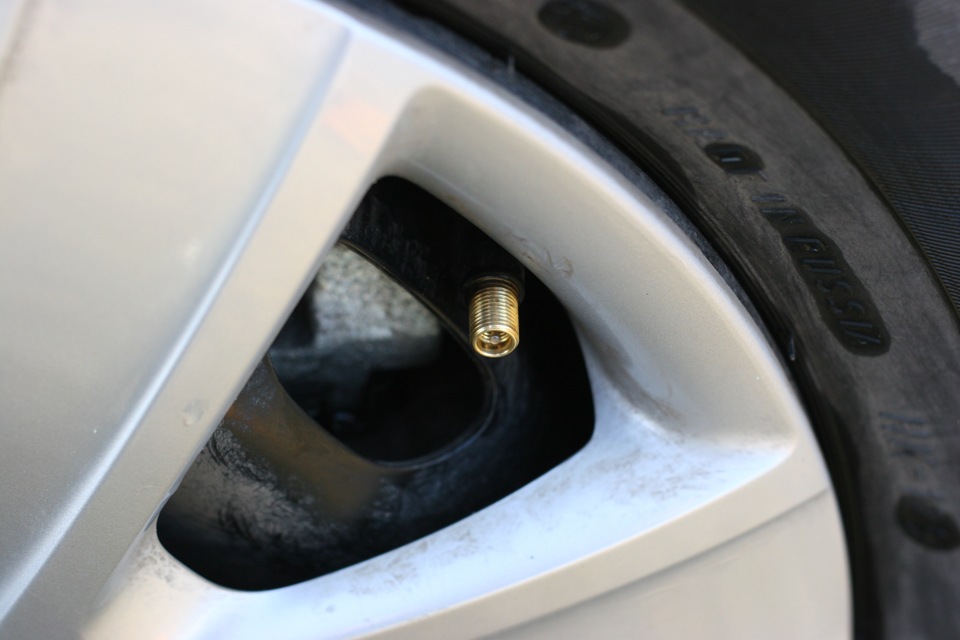
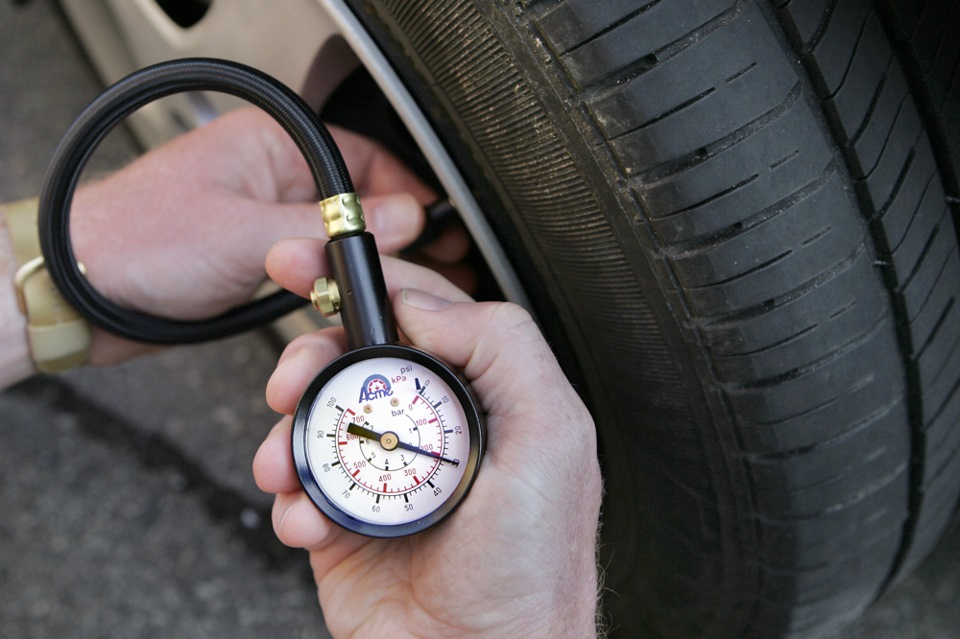
2. Check tire pressure. To do this, connect the pump head with a pressure gauge.
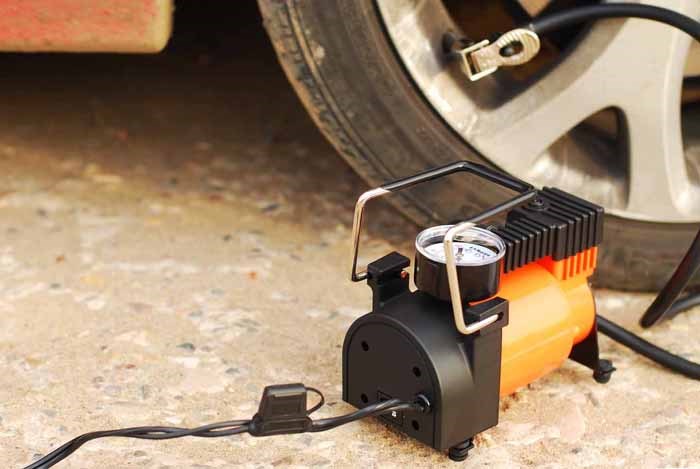
3. If the pressure is less than required, pump up air, controlling the pressure on the pressure gauge.
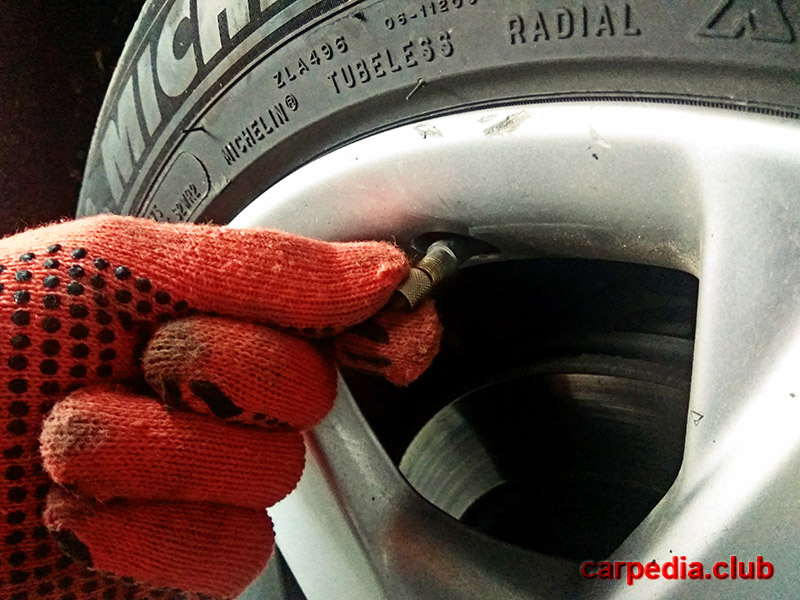
4. If the pressure is more than required, press on the tip of the spool and let the air out of the tire. Measure the pressure with a manometer. By repeating these operations, bring the pressure to normal.
Note:
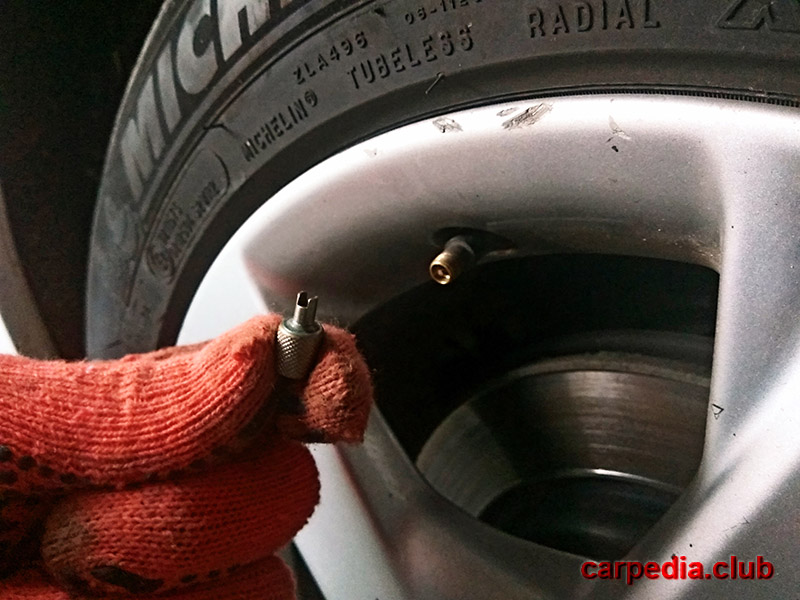
Protective cap with a key for tightening the spool.
WARNING:
In order to avoid contamination of the spools, do not operate the vehicle without protective caps. If the caps have been lost, be sure to install new ones.
5. Measure the remaining tread depth with a caliper. If the tread depth is 1.6 mm or less, replace the tire (for winter tires, the remaining tread depth is 4.0 mm).
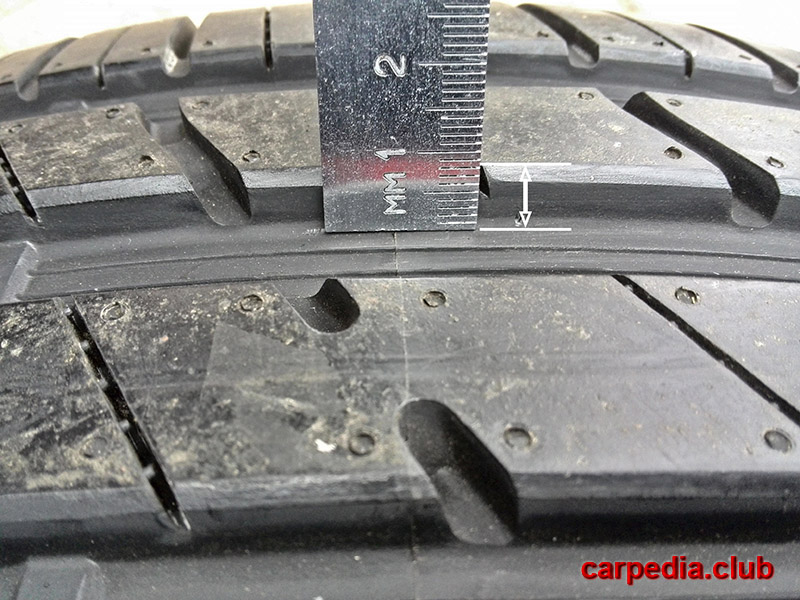
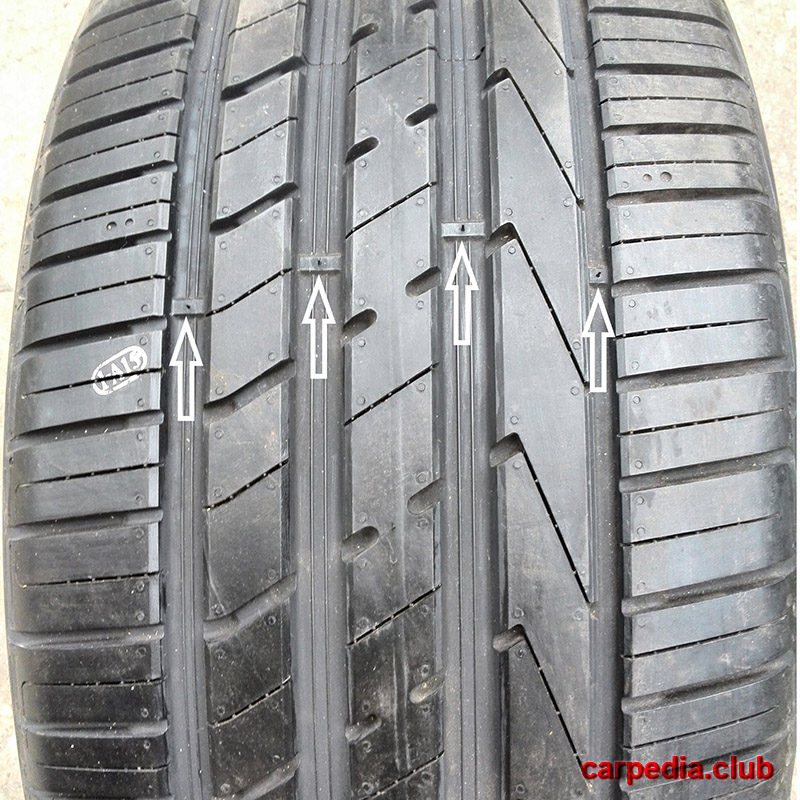
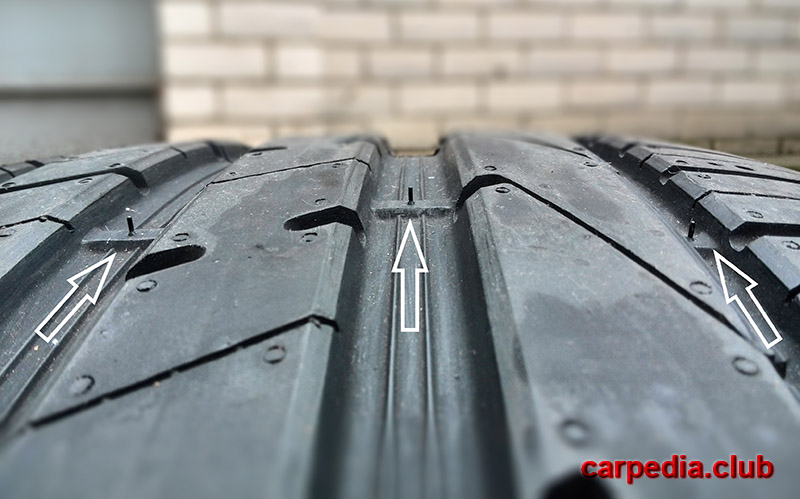
6. If there is no caliper or ruler at hand, then the tread depth can be checked visually by the tire wear indicators in the form of continuous transverse stripes on the tread.
Note:
The indicator locations are marked on the sidewall of the tire with a triangle or the letters "TWI".
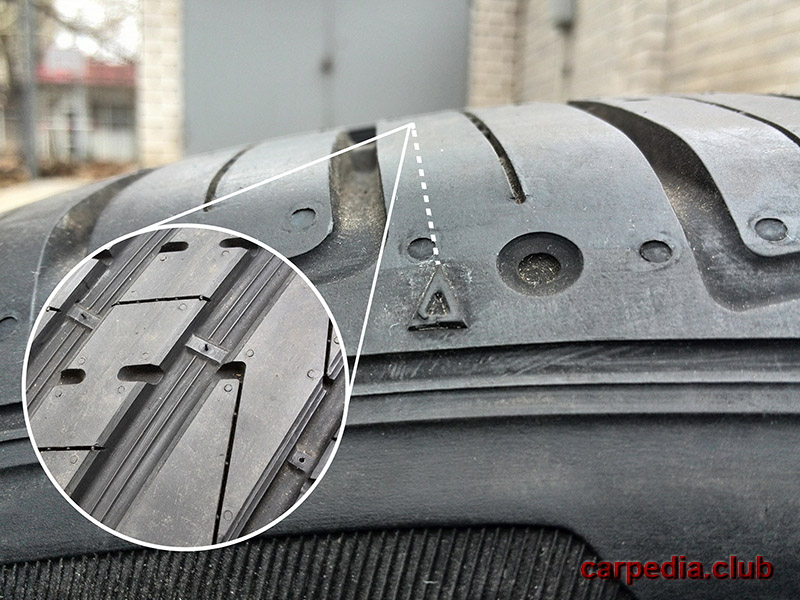
The label is the location of the indicators on the sidewall of the tire.
7. Check the tightness of the wheel nuts with a suitable tool.
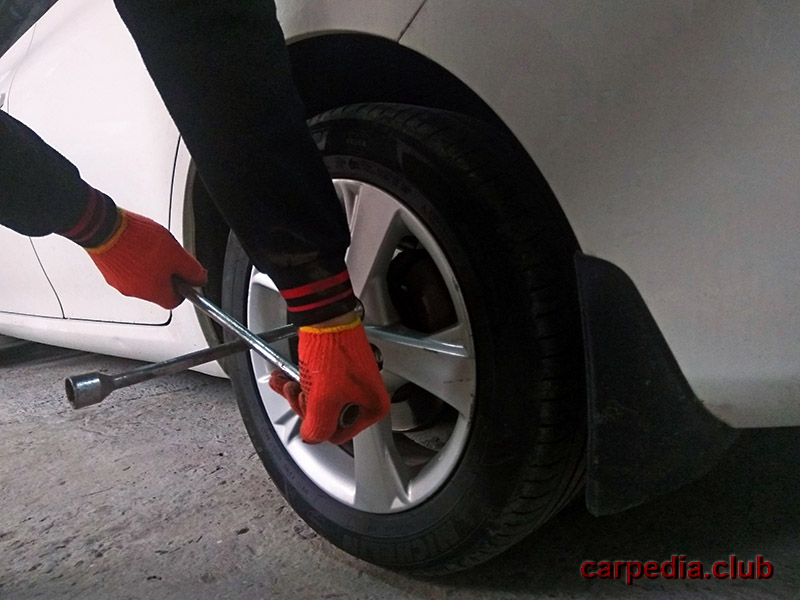
Note:
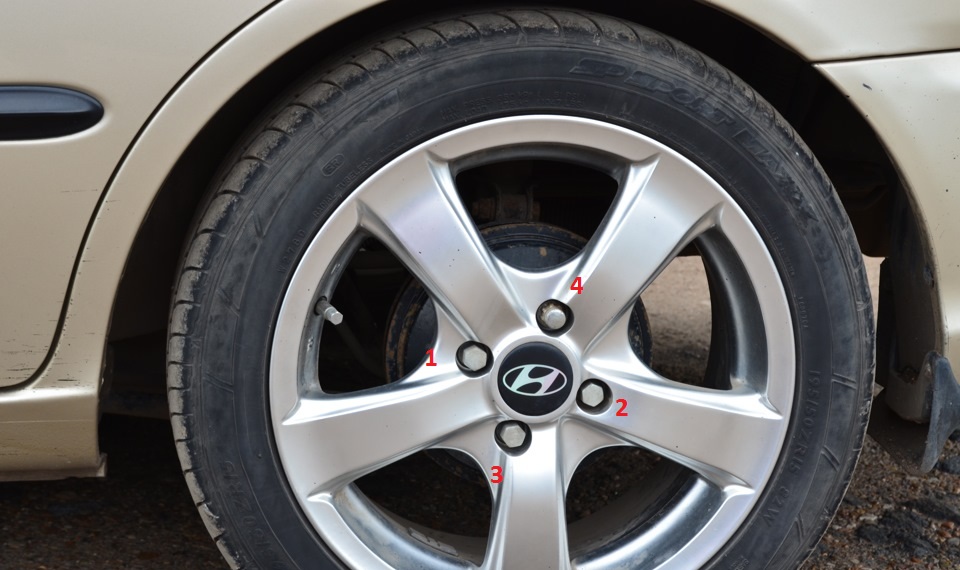
Tighten the wheel nuts in a criss-cross pattern as shown in the diagram below.
USEFUL TIPS:
Check tire pressure periodically. High or low pressure leads to premature tire wear, poor vehicle handling and stability, increased fuel consumption, and wheel deformation.
Severe pressure drops (70 kPa or more) can cause significant heat build-up and cause tire blowout, tread separation, and other tire damage, which can result in loss of vehicle control, resulting in serious injury or death.
The risk of such overheating is greatly increased on hot days or when driving at high speed for a long time. Increased tire pressure leads to increased sensitivity to bumps in the road, excessive wear in the middle part of the tire tread and an increase in the likelihood of tire damage due to road surface defects. Maintain nominal tire pressure.
Use a high quality pressure gauge to check tire pressure. Compliance with the air pressure in the tire to the recommended value cannot be determined by external signs without taking measurements. Radial tires may appear normally inflated even when underinflated.
The use of wheels and tires that are not the recommended size may result in a change in driving characteristics and poor handling of the vehicle, which could lead to a serious accident.
Every 15,000 km, balance the wheels and check the alignment of the front wheels. To do this, contact a specialized workshop.
In order for the tires to wear out evenly, rearrange the wheels every 12,000 km in accordance with the diagram.
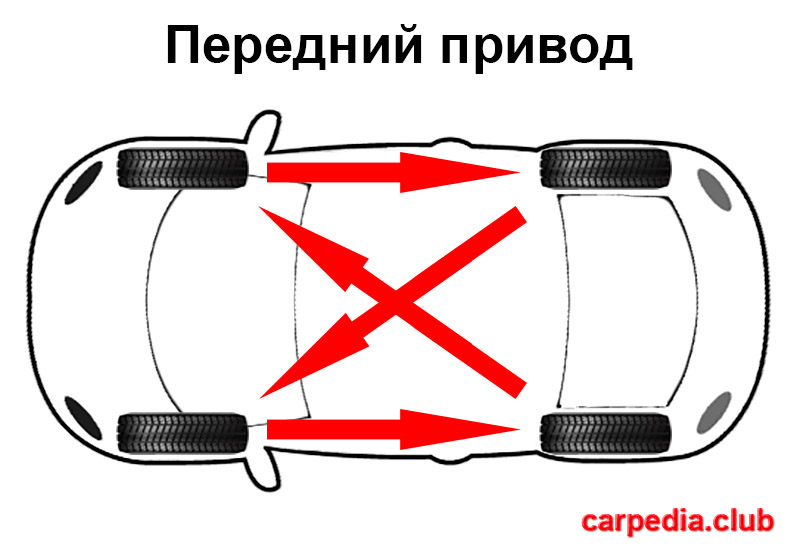
Wheel swap diagram.
The article is missing:
- Tool photo
- Photo of parts and consumables
Source: http://carpedia.club/