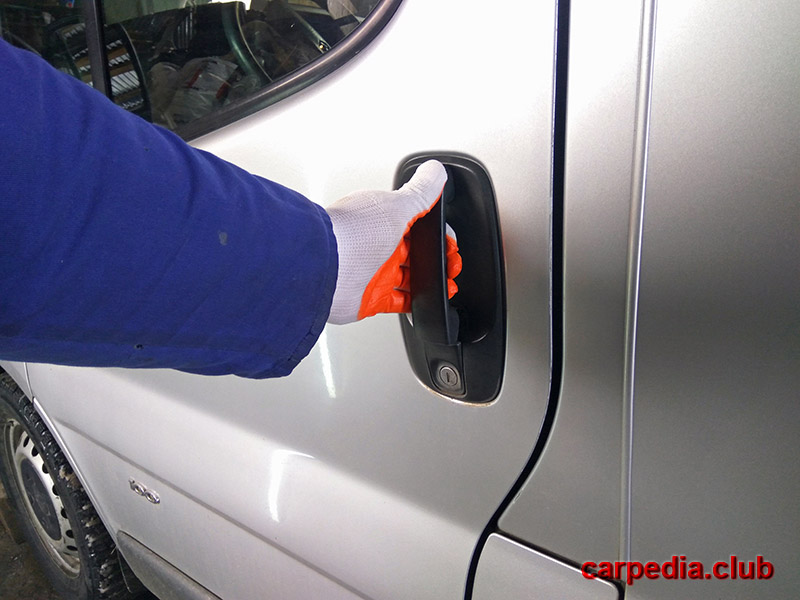
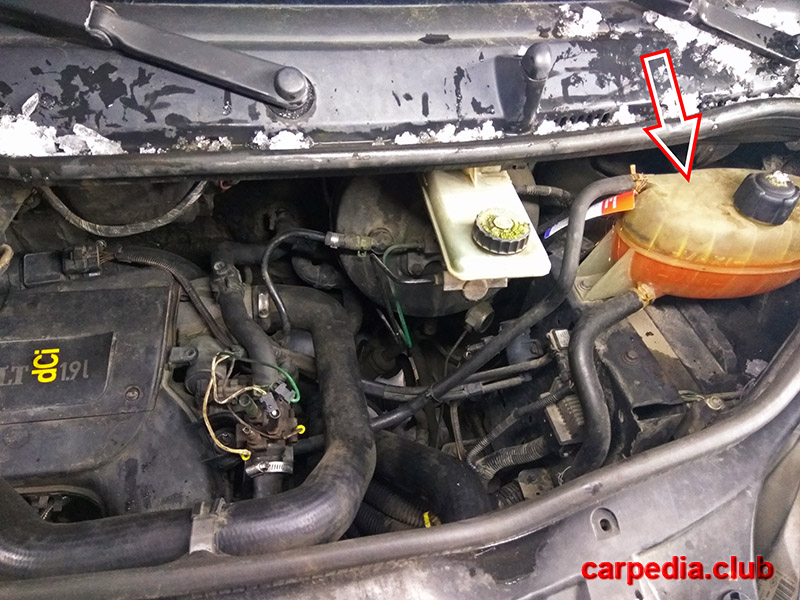
![2 generation [2001 - 2006]](/uploads/jxe_w..jpg)


Tool:
- balloon wrench
- pressure gauge
- Foot pump (if necessary)
- Ruler
Parts and consumables:
- Protective caps for spools (if necessary)
Notes:
Air pressure should only be checked with cold tires. The tires can be considered cold if at least three hours have passed since the car was stopped, or if after a long parking of the car you have driven a distance of no more than 1 km.
After the car has run a distance of several kilometers, the tires have time to heat up and the air pressure in them increases by 20–30 kPa (0.2–0.3 kgf / cm 2 ) compared to the cold state. This is not a malfunction. Do not reduce the air pressure in warm tires to bring it to the nominal value that is set for cold tires. Otherwise, the tires will run at reduced air pressure.
It is advisable to carry out all work on the repair of wheels in specialized workshops. Check that the wheel is balanced after repair. Using tires with worn tread can lead to an accident.
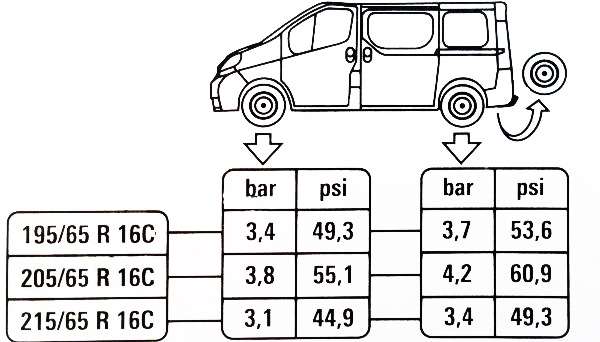
Tire pressure label
Warning:
Periodically measure the air pressure in the tires. High or low pressure leads to premature tire wear, poor handling and vehicle stability.
1. Unscrew the cap from the valve.
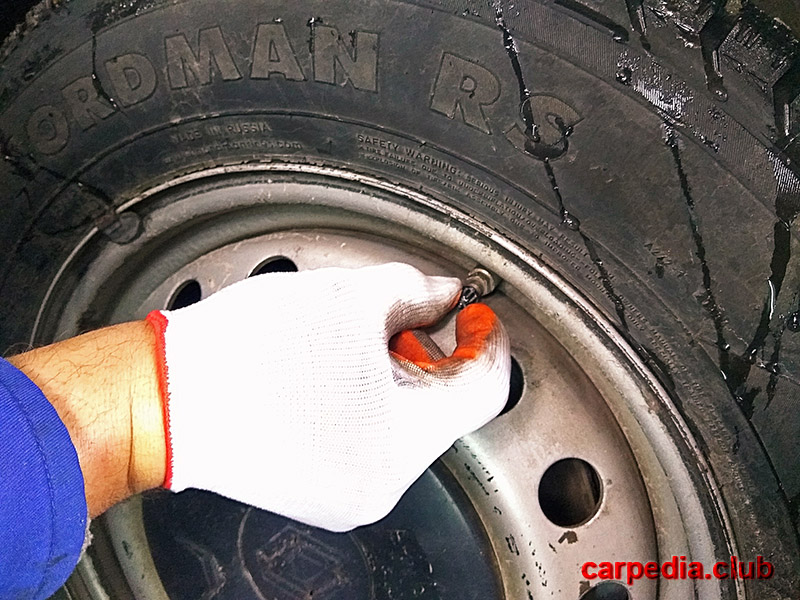
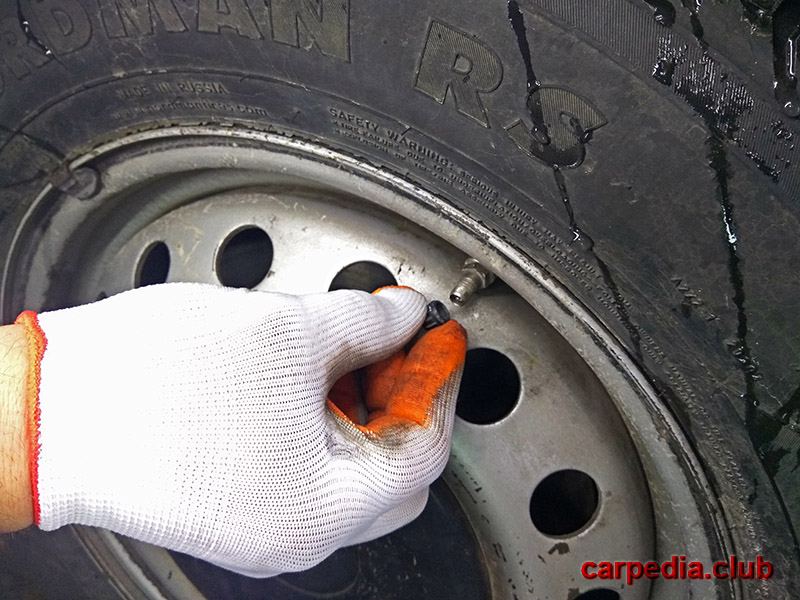
2. Connect the pressure gauge tip to the tire valve.
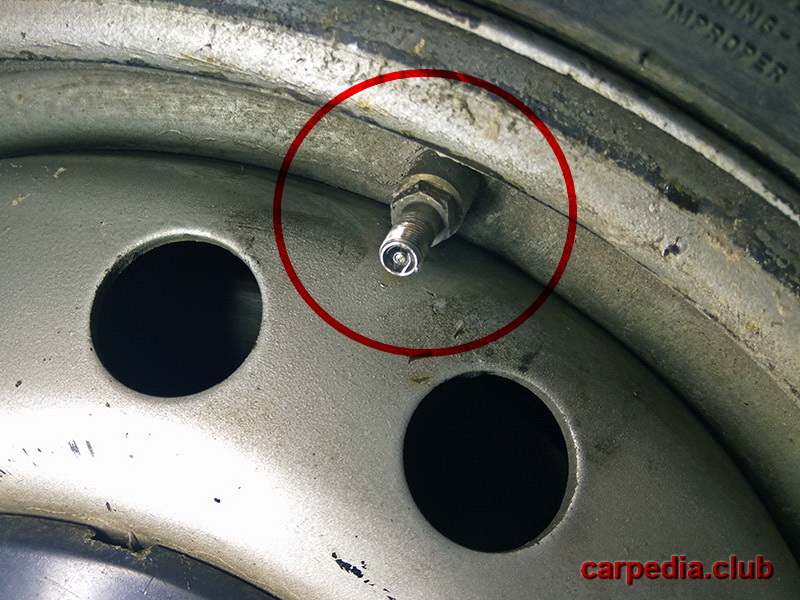
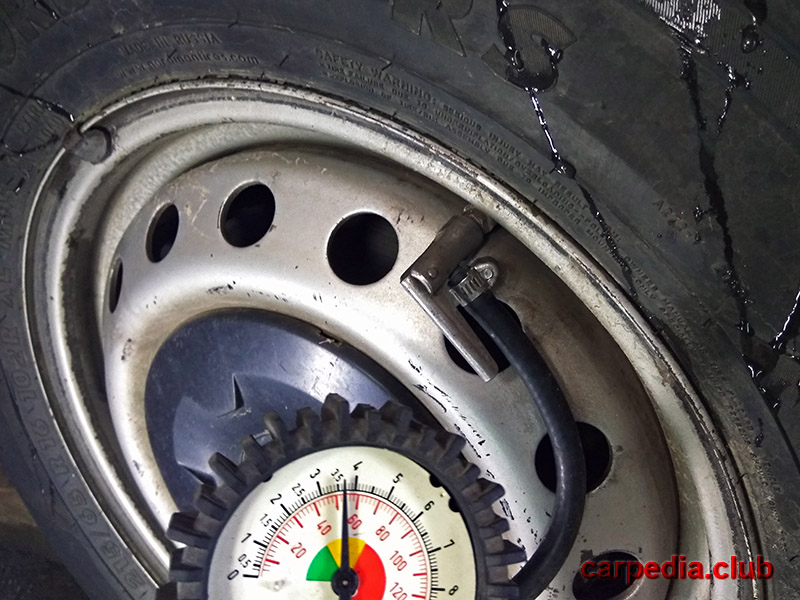
3. Check the tire pressure with a pressure gauge.
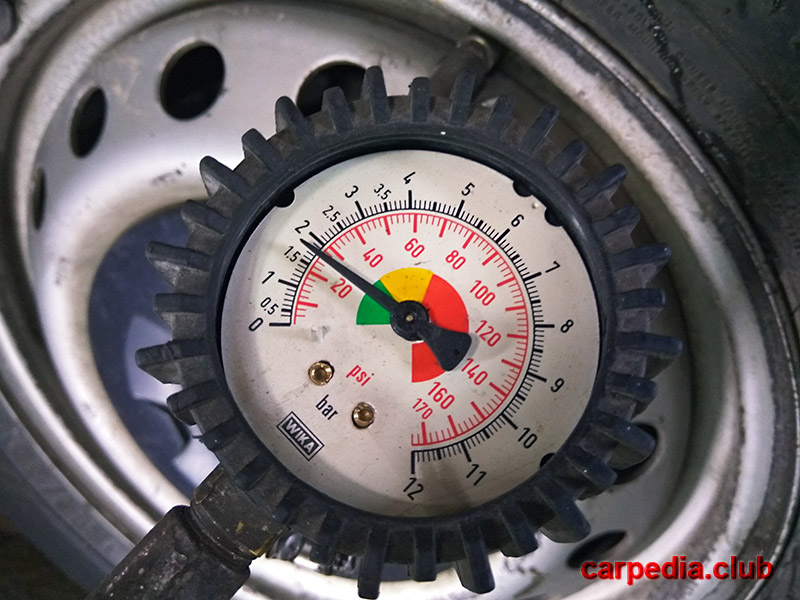
4. If the pressure is less than required, pump air, controlling the pressure on the pressure gauge.
5. If the pressure is more than required, press on the tip of the spool and let the air out of the tire. Measure the pressure with a manometer. By repeating these operations, bring the pressure to normal.
Notes:
If you notice that the air pressure in the tires is constantly dropping, try tightening the spool with a cap with a wrench.
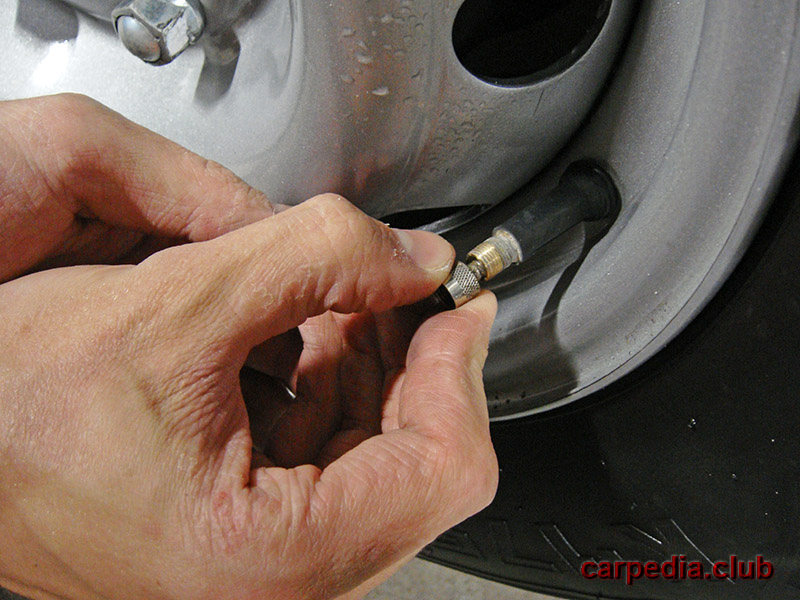
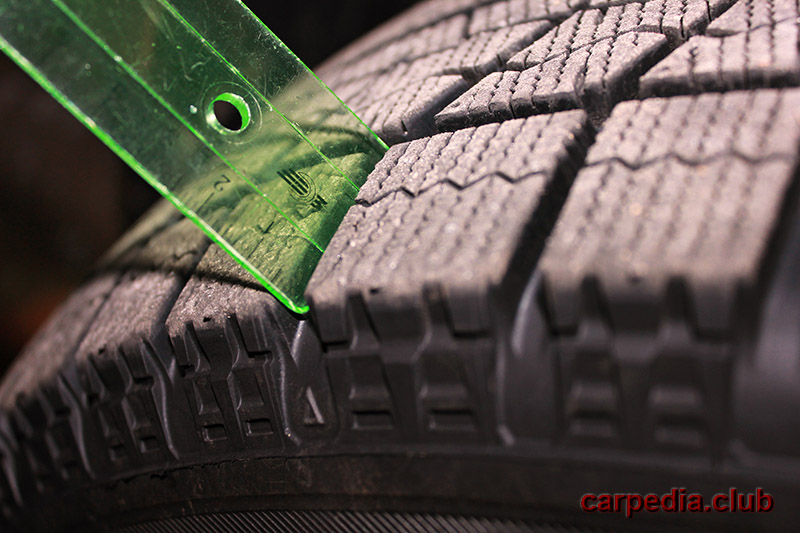
6. Checking tires on Renault Trafic wheels is carried out with a ruler or you can measure the residual tread depth with a caliper. If the tread depth is 1.6 mm or less, replace the tire (for winter tires, the remaining tread depth is 4.0 mm).
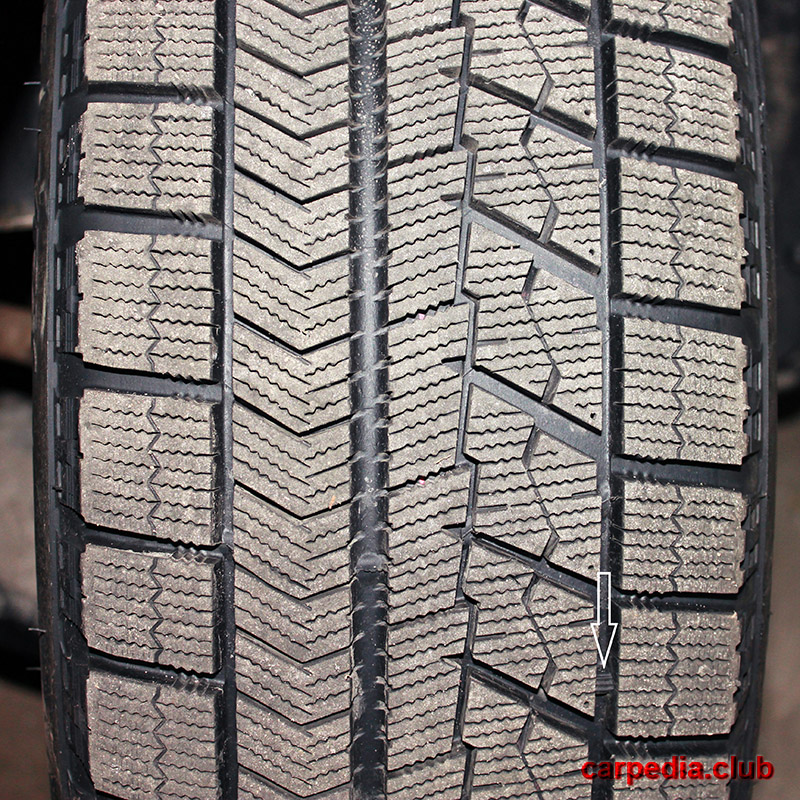
7. If there is no caliper or ruler at hand, then the tread depth can be checked visually by the tire wear indicators in the form of continuous transverse stripes on the tread.
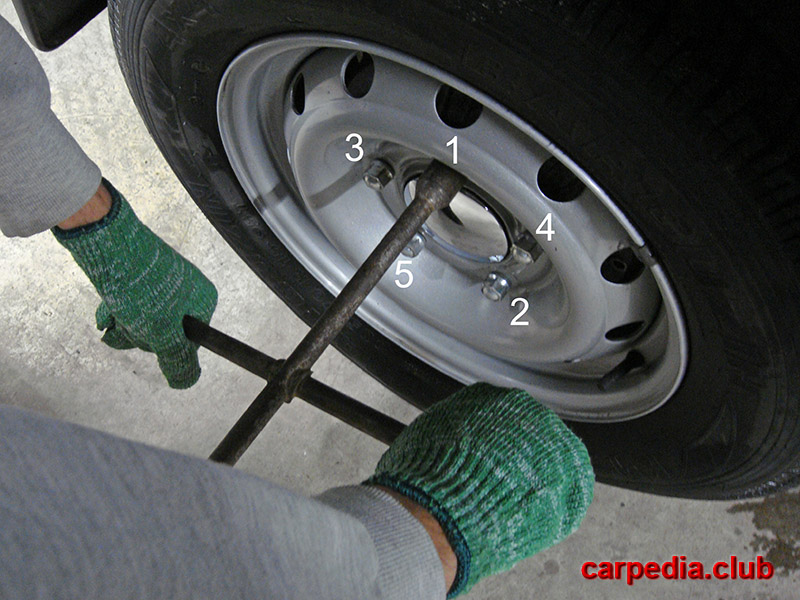
8. Check wheel nuts for tightness.
Notes:
Tighten the wheel nuts in a criss-cross pattern as shown in the diagram below.
Helpful Hints:
A large decrease in pressure (by 70 kPa / 0.7 kgf / cm 2 or more) can lead to a significant increase in heating and cause tire rupture, tread separation and other tire damage, as a result of which loss of vehicle control is possible, leading, in turn, to to serious injury or death. The risk of such overheating is greatly increased on hot days or when driving at high speed for a long time.
Higher tire pressure causes the vehicle to become more sensitive to bumps in the road, excessive wear in the middle of the tire tread, and more likely to damage the tire due to road imperfections. Maintain nominal tire pressure.
The use of wheels and tires that are not the recommended size may result in a change in driving characteristics and poor handling of the vehicle, which could lead to a serious accident.
In order for the tires to wear evenly, after every 15,000 km of run (during the next maintenance), rearrange the wheels in accordance with the diagram below. After the first 15,000 km and then every 30,000 km, balance the wheels and check the wheel alignment. To do this, contact a specialized workshop.
The article is missing:
- Tool photo
- Photo of parts and consumables
Source: carpedia.club