![1 generation [2011 - 2017]](/uploads/Lada_Granta_2011_-_2015.jpg)


Tools:
- Ratchet wrench
- Extension
- Head for 8 mm
- Head 10 mm
- Head 13 mm
- Funnel
Parts and consumables:
- Coolant 8 l
- Technical capacity
- rags
Notes:
The fluid in the engine cooling system should be replaced every 75,000 km or five years, whichever comes first, in accordance with the maintenance schedule .
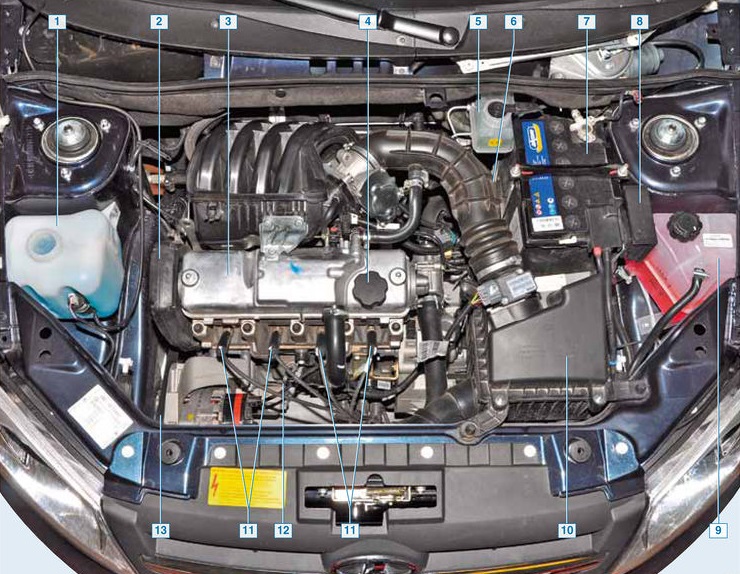
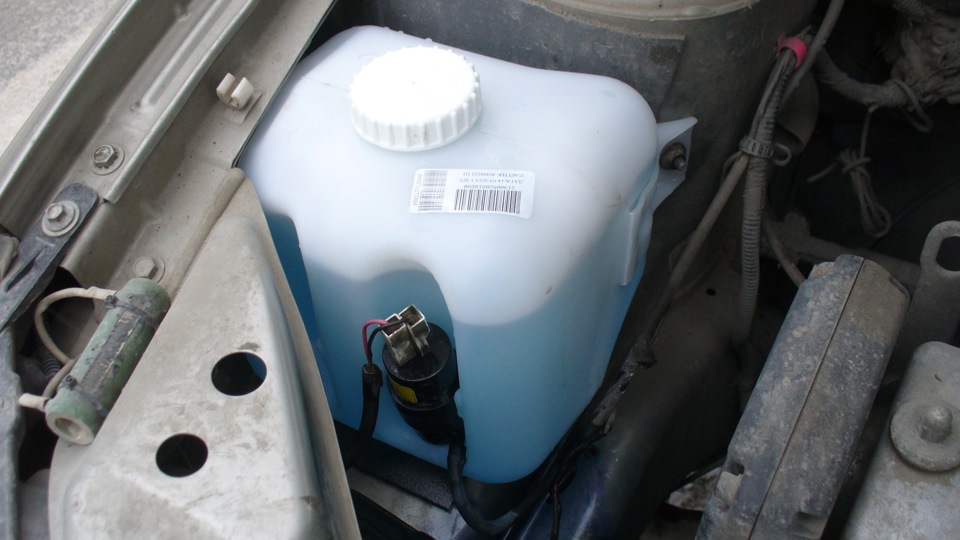
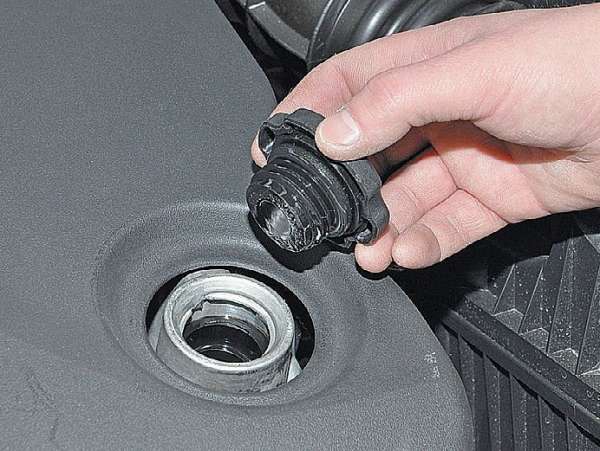
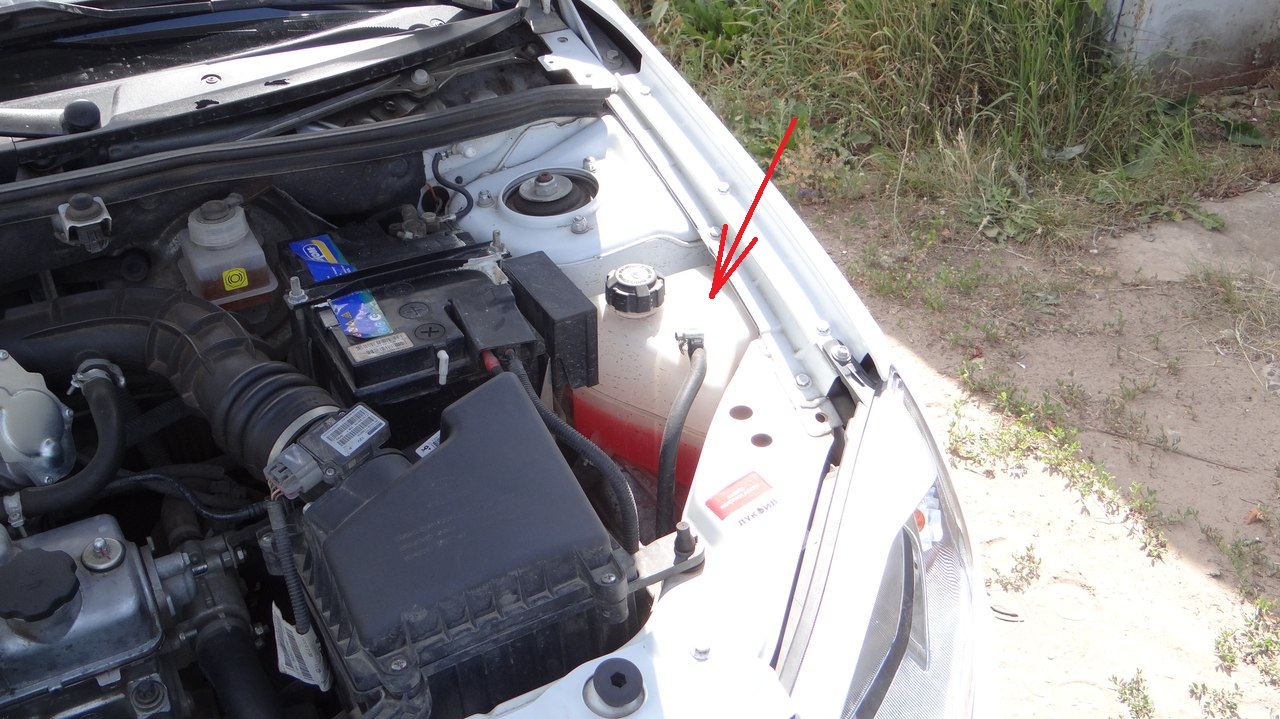
It is more convenient to replace the coolant when the car is installed on a viewing ditch or overpass. If the engine is hot, let it cool down, and then relieve excess pressure in the cooling system by unscrewing the cap of the expansion tank.
Coolant drain
1. Remove the middle engine compartment mudguard as described in this article .
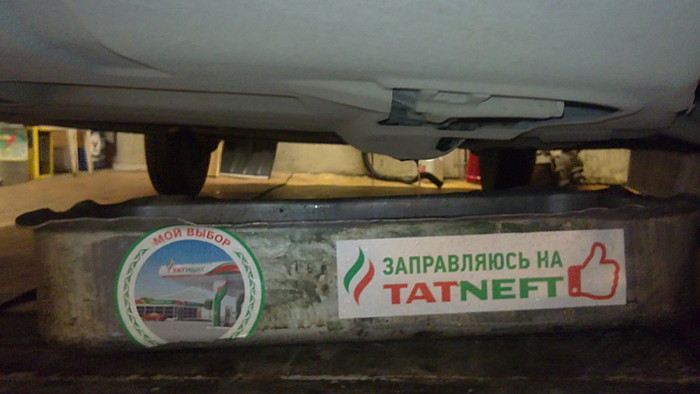
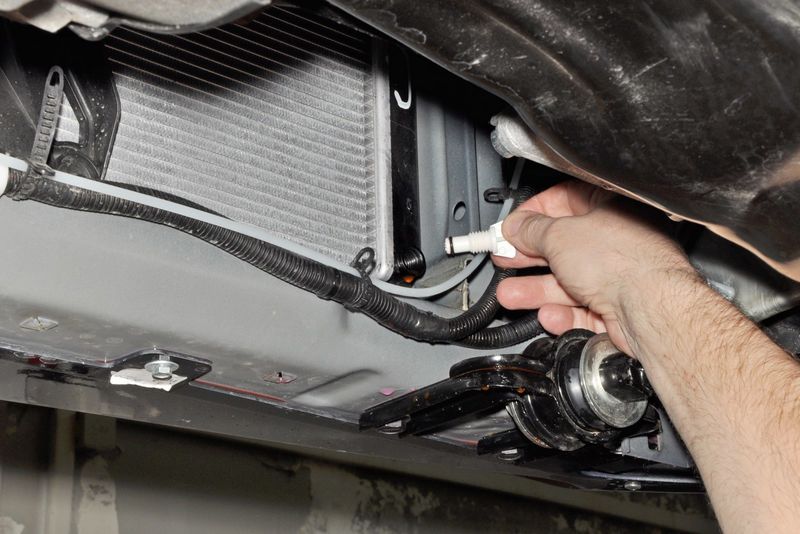
2. Place a wide container with a volume of at least 6 liters under the drain hole made in the lower part of the right radiator tank.
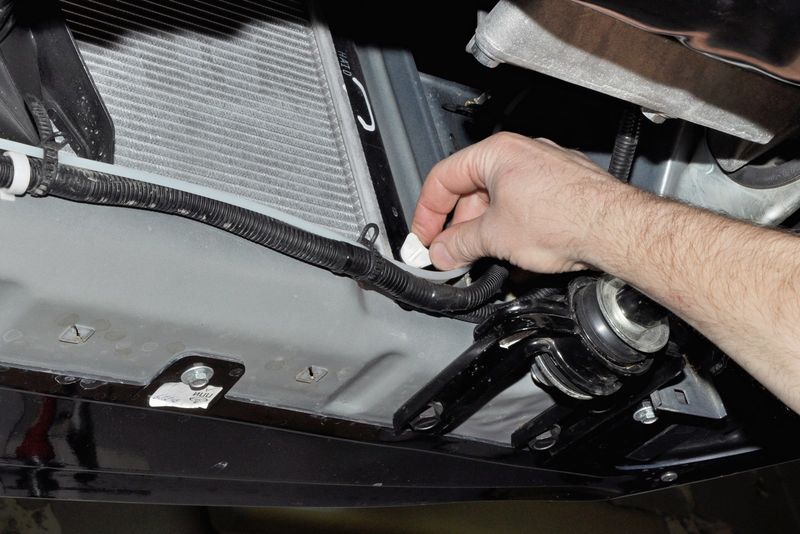
3. Remove the plastic drain plug from the radiator reservoir and drain the coolant into a container.
Note:
To reduce the intensity of draining the liquid at the initial moment, tighten the plug of the expansion tank tightly.
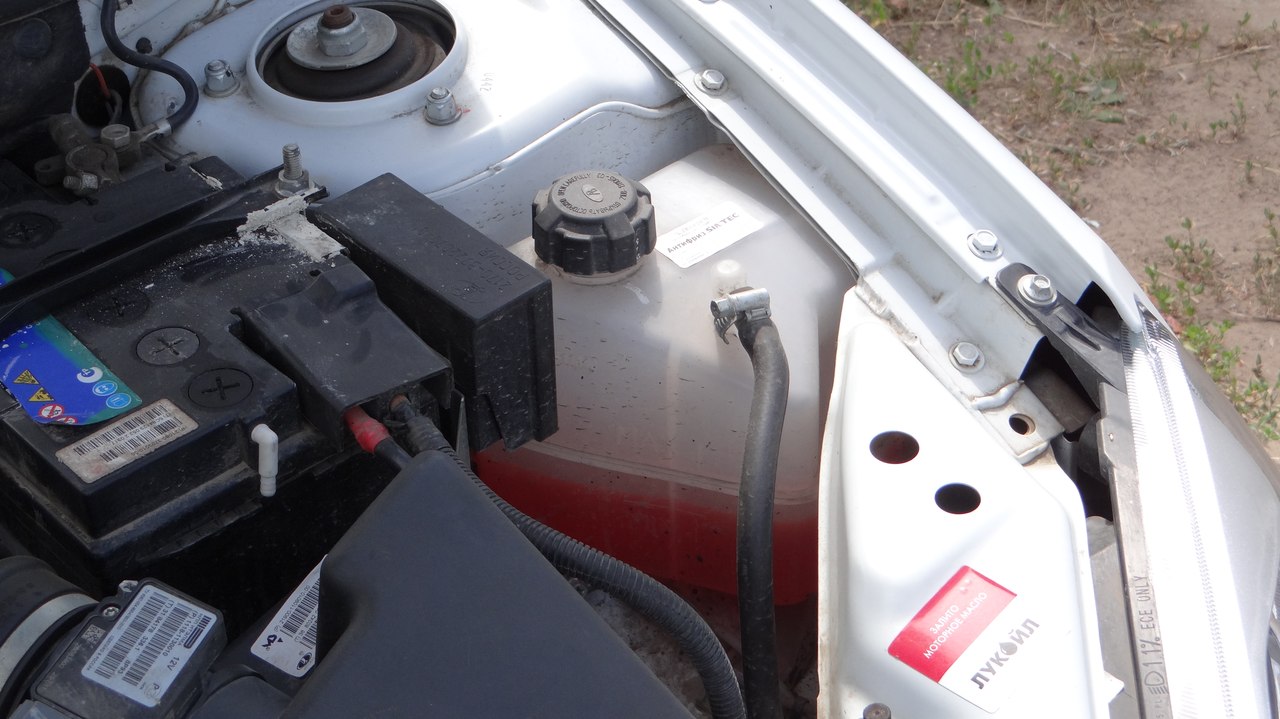
4. To increase the intensity of draining the fluid, unscrew the plug of the expansion tank.
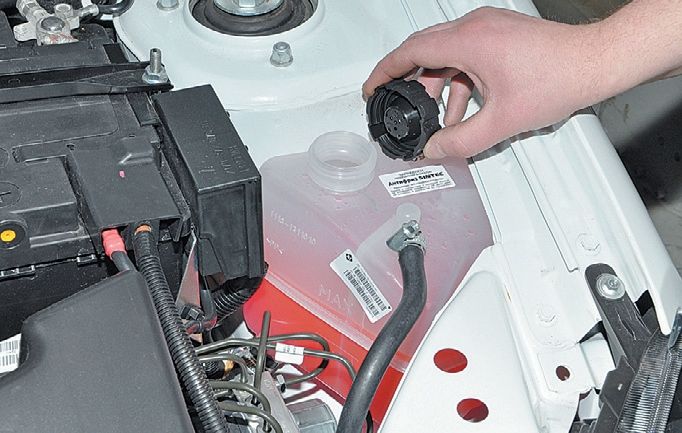
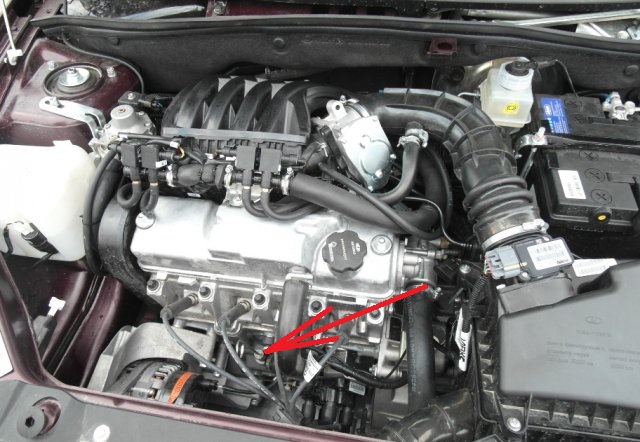
5. To drain the coolant from the engine cooling jacket, place a container under the drain hole located on the front side of the cylinder block below the ignition coil.
6. Using a 13 head, unscrew the drain plug of the cylinder block and drain the liquid into a container.
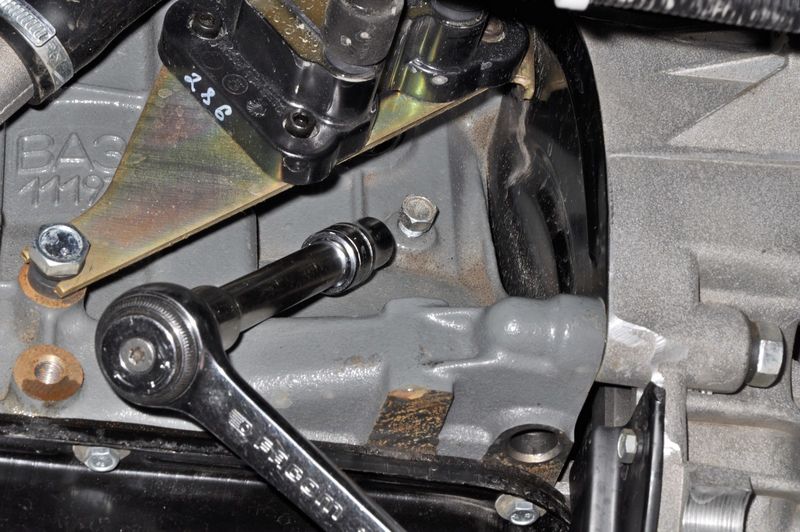
Filling the cooling system
1. Wrap the drain plugs of the radiator and cylinder block.
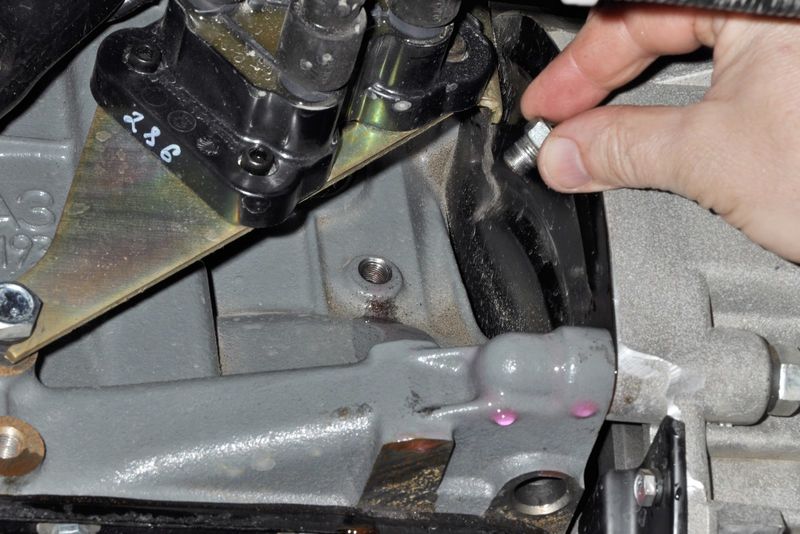
Note:
The drain plug of the cylinder block has a tapered thread, so turn and tighten it until there is a sharp increase in resistance to rotation.
2. Fill the cooling system with liquid through the expansion tank (at this stage, about 6-7 liters of liquid enter the system).
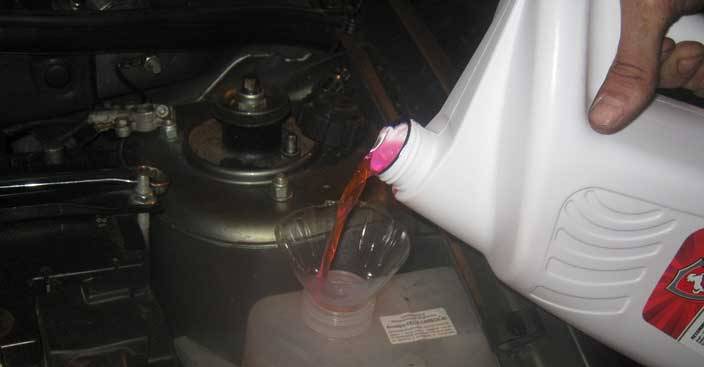
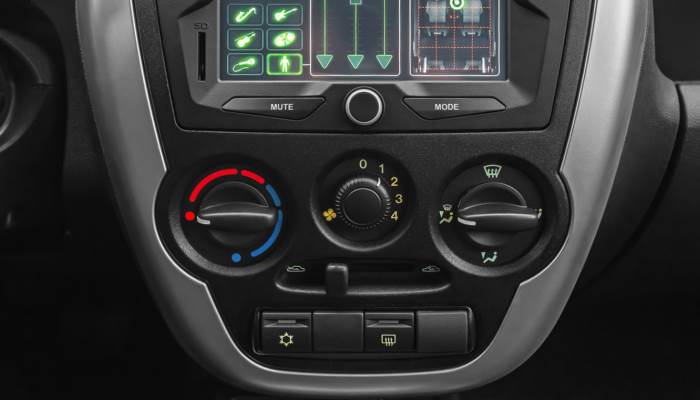
3. Start the engine. Move the handle of the air temperature regulator in the heating and ventilation system control unit to the red sector of the scale.
4. With the engine running, vigorously squeeze all the cooling system hoses several times in turn.
Note:
Such actions will help the fluid fill the system and displace air from it.
5. As the coolant level in the expansion tank drops, top it up and tighten the tank cap.
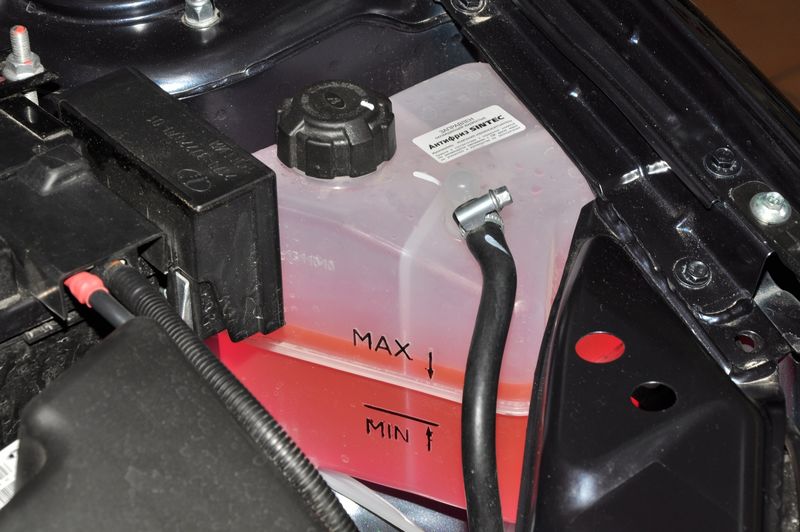
Note:
When the engine warms up, the outlet (lower) radiator hose should be cold for some time, and then quickly warm up, which will indicate the beginning of fluid circulation in a large circle.
6. In the car, check the operation of the heater. After waiting for the cooling fan to turn on, stop the engine.
7. After the engine has cooled down, check the coolant level in the expansion tank again and top up if necessary.
8. Remove coolant leaks with a rag.
Source: carpedia.club