![T31 [2007 - 2011]](/uploads/-_2009.jpg)


Note:
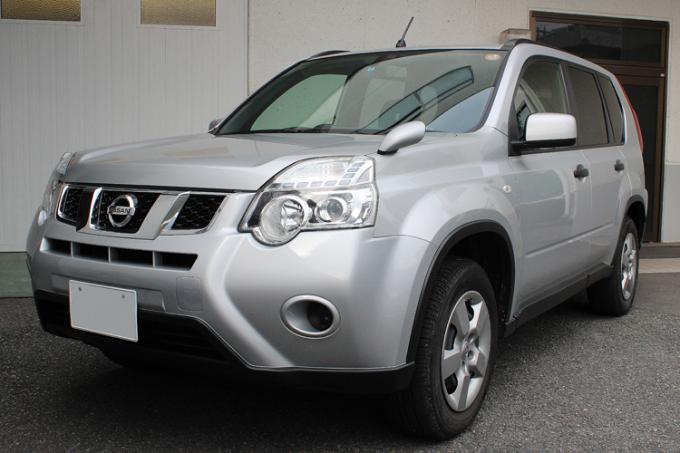
Bleeding the hydraulic brakes on the Nissan X-Trail is carried out to remove air. Often this happens after changing the brake fluid. It is also necessary to bleed the brakes after the repair of the brake system, whether it is the replacement of brake pads or the repair / maintenance of brake discs, brake cylinders.
The criterion for completing the pumping of the working cylinder is the cessation of the release of air bubbles from the hose, and not the appearance of fresh brake fluid.
An assistant is needed to do the job.
Signs of the presence of air in the hydraulic drive:
- an increase in the pedal stroke, its “softness” when the pedal is pressed once;
- a gradual decrease in pedal travel with a simultaneous increase in its “stiffness” when the pedal is pressed again.
How to bleed the brakes Nissan X-Trail
Bleeding Nissan X-Trail brakes
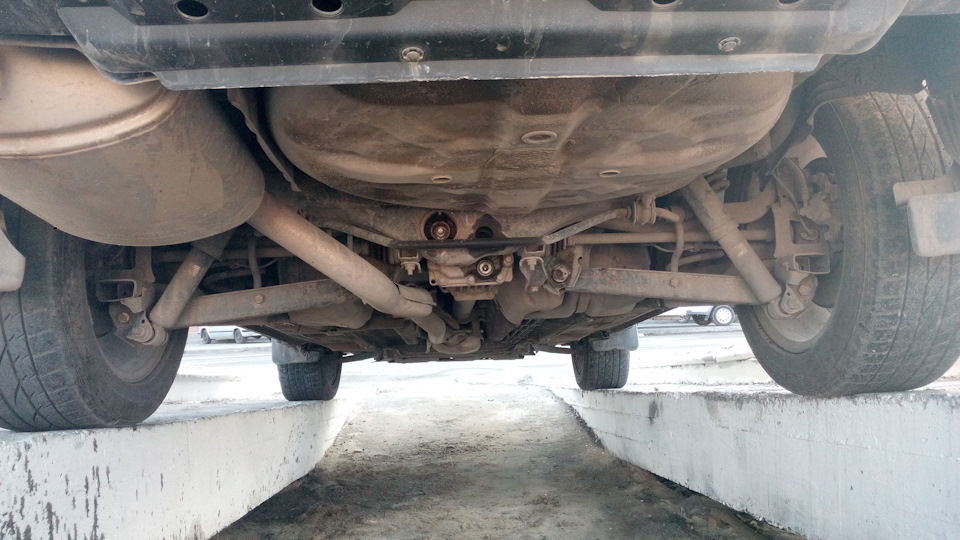
1. Install the car on a viewing hole or overpass, and turn off the ignition.
Note:
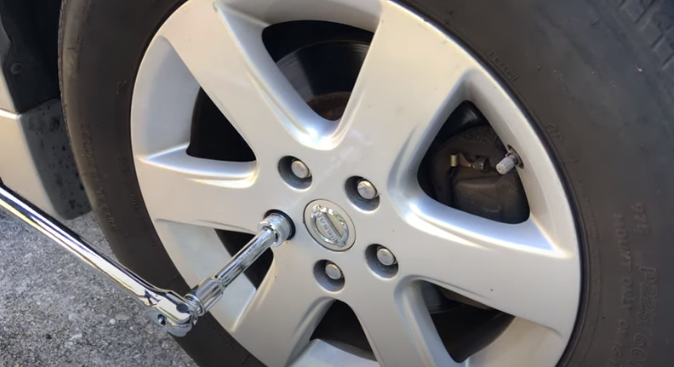
Alternatively, you can jack up the car and remove the wheel.
2. Raise the hood cover and fix it with an emphasis.
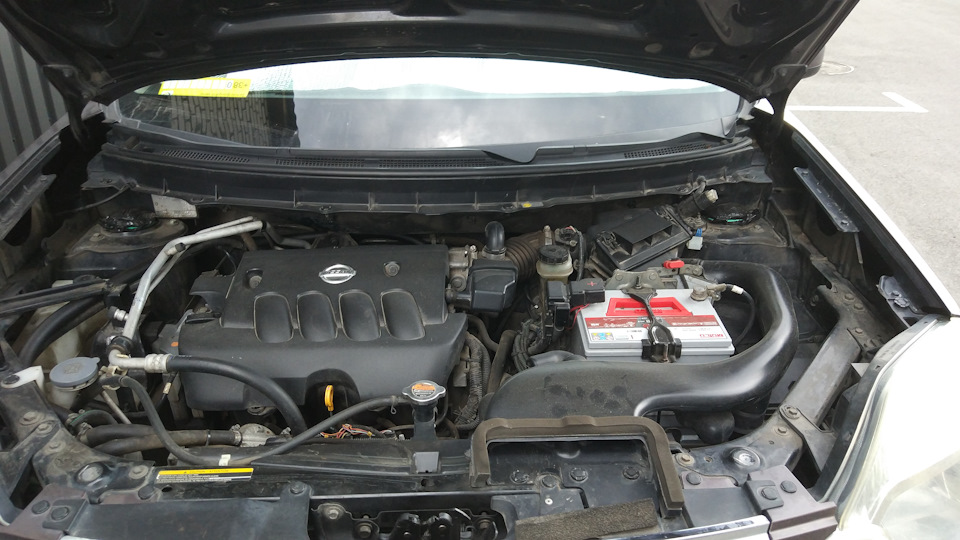
3. Turn away and remove a cover of a tank of a brake liquid.
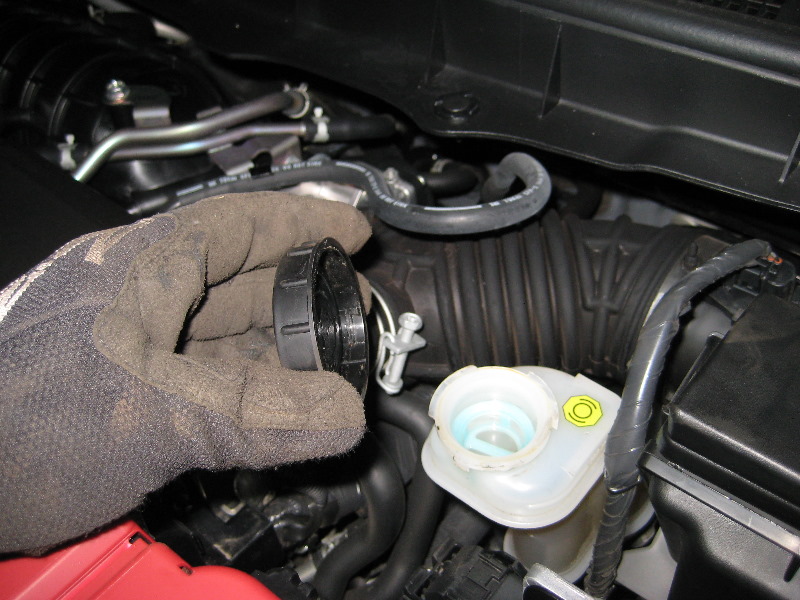
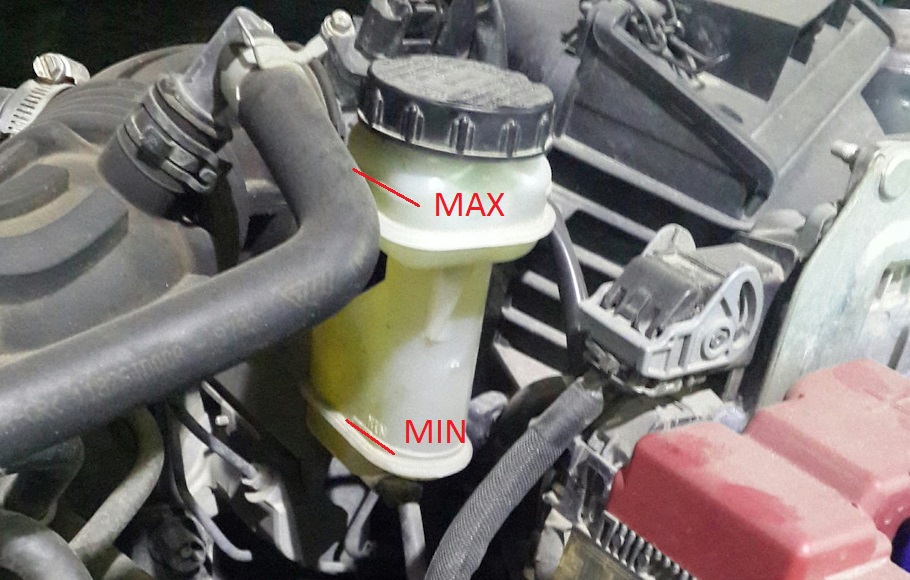
4. If necessary, bring the fluid to normal.
5. Before bleeding the brakes on the Nissan X-Trail, clean the bleeder and the area around it on the assembly from which air will be bled.
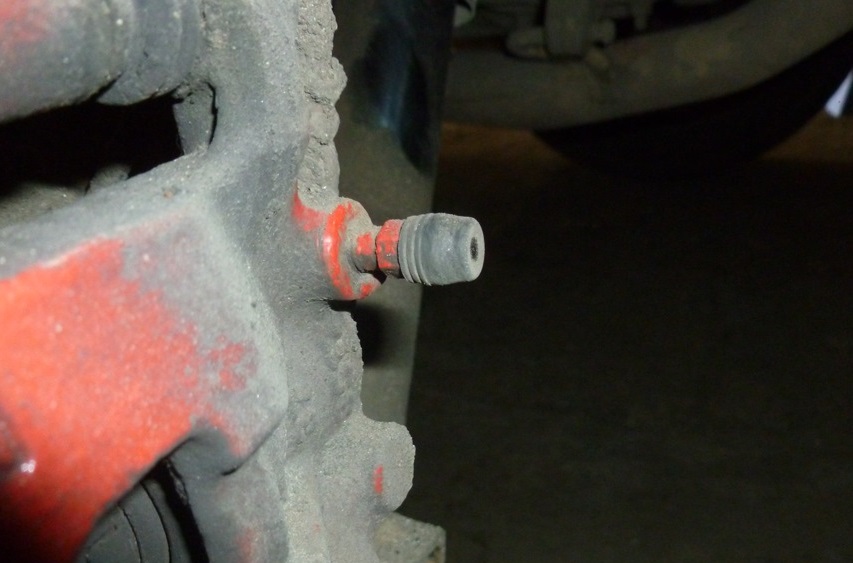
6. Remove the protective rubber cap from the brake bleeder.
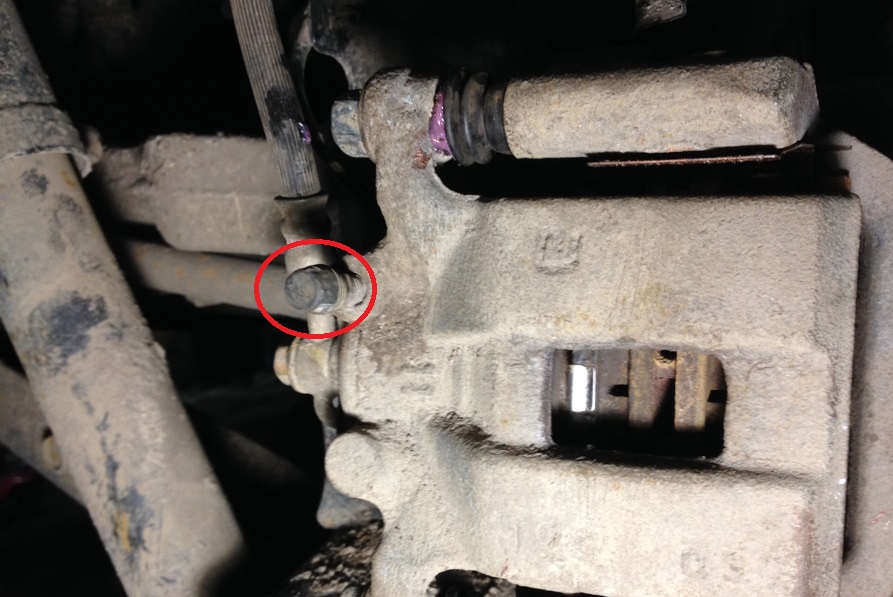
7. Put a special or 8 mm ring wrench and a transparent tube on the Nissan X-Trail brake bleeder .
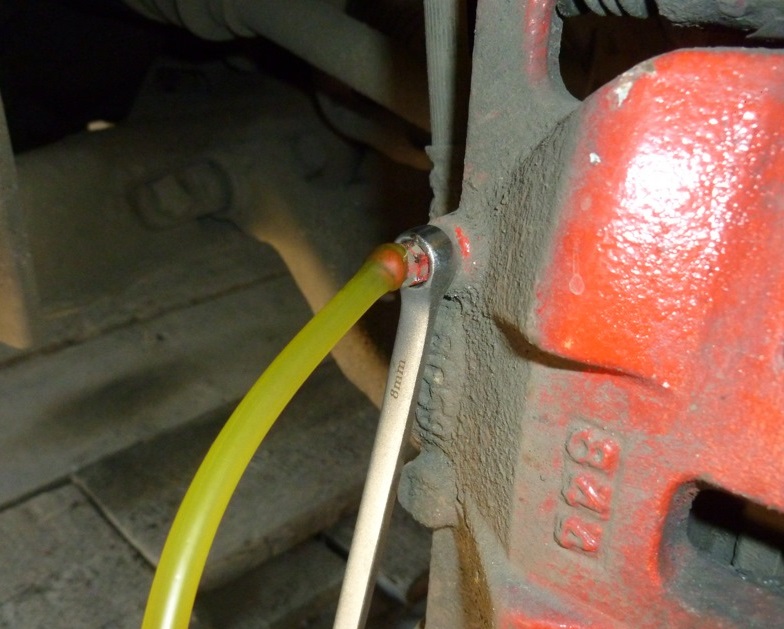
8. Immerse the other end of the tube in a transparent vessel with brake fluid.
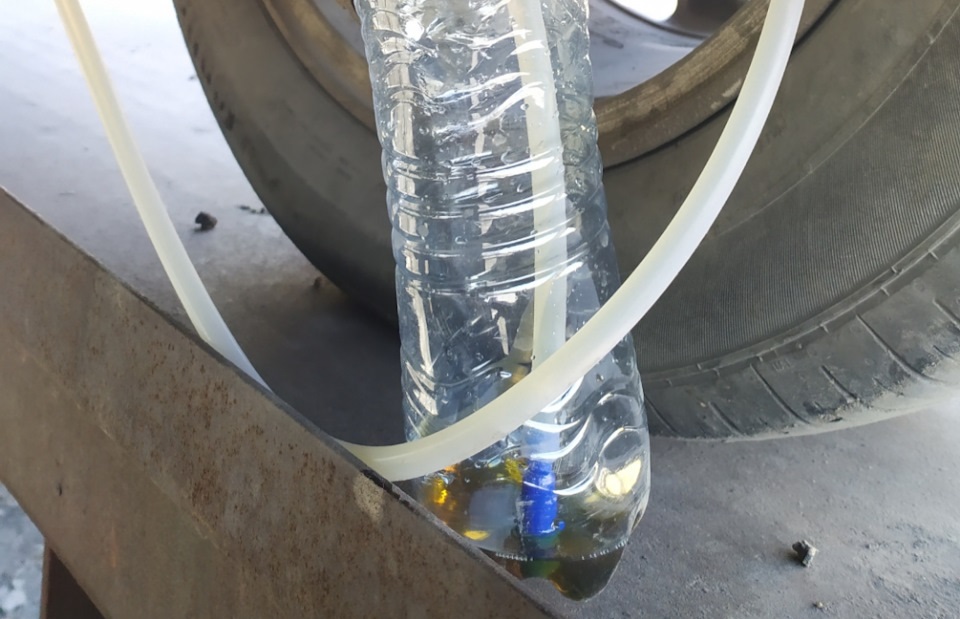
9. Ask an assistant to press the brake pedal 3-5 times and keep it pressed.
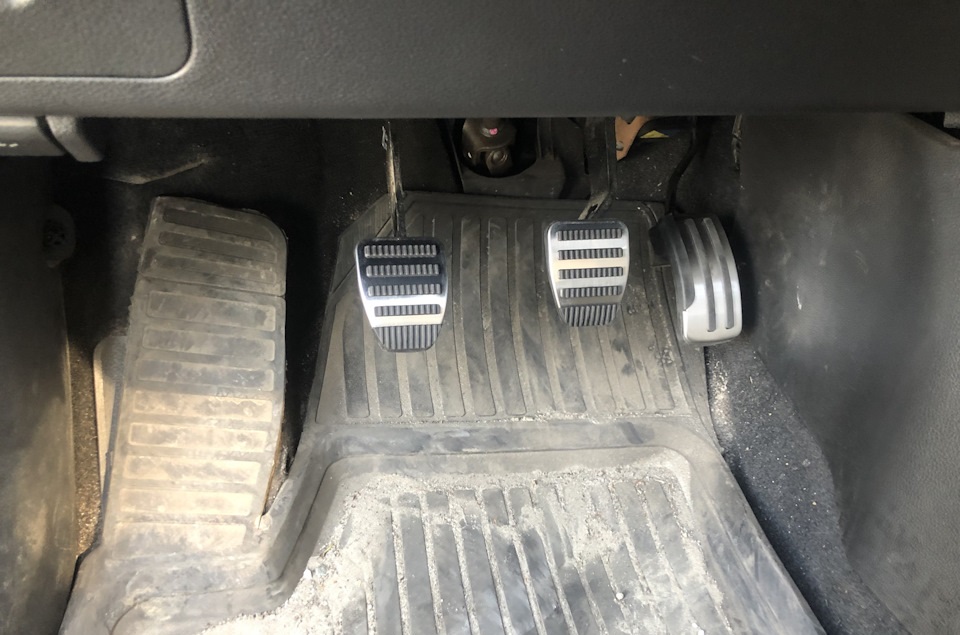
10. Loosen the bleeder valve until fluid starts to come out.
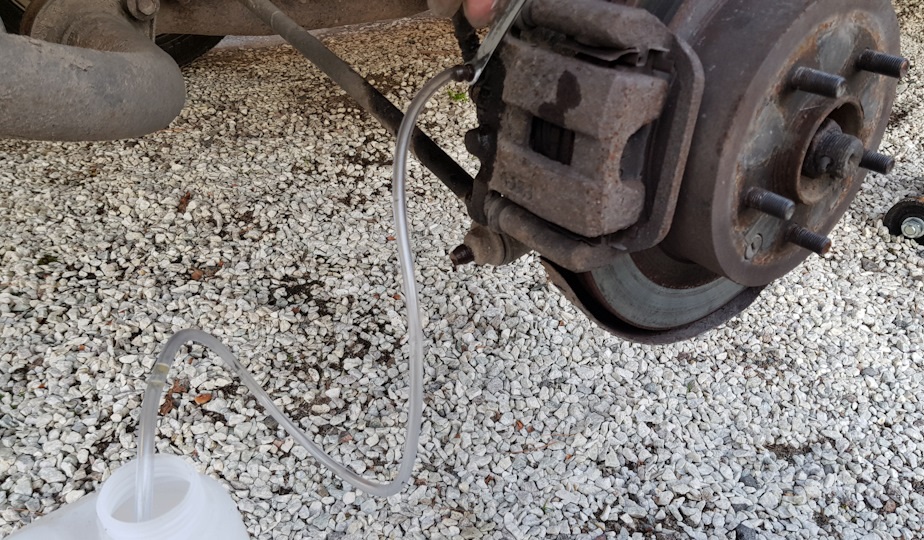
11. When the brake fluid stops coming out of the tube, tighten the fitting.
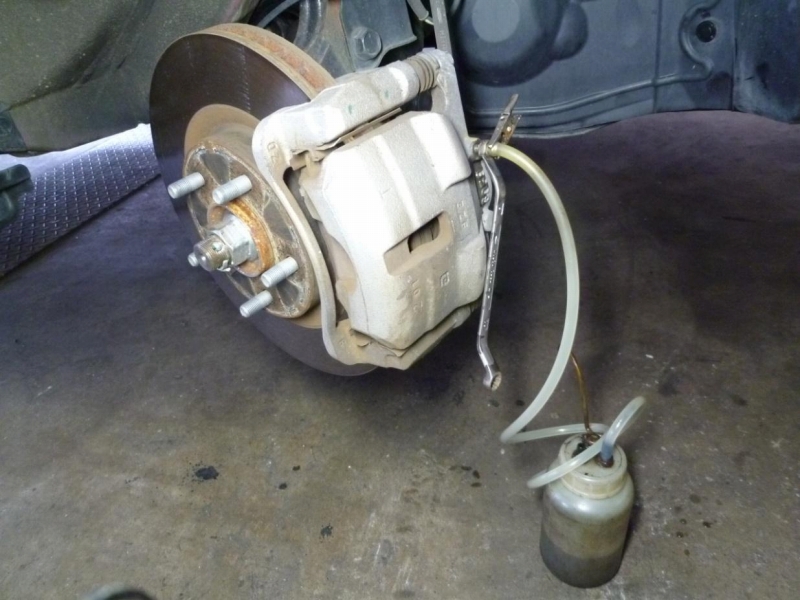
12. Repeat these steps until air bubbles stop coming out of the fitting along with the brake fluid.
Note:
When bleeding the brakes on the Nissan X-Trail, make sure that the brake fluid level in the reservoir does not fall below the MIN mark.
13. Finally tighten the bleeder valve to 8.3 N•m.
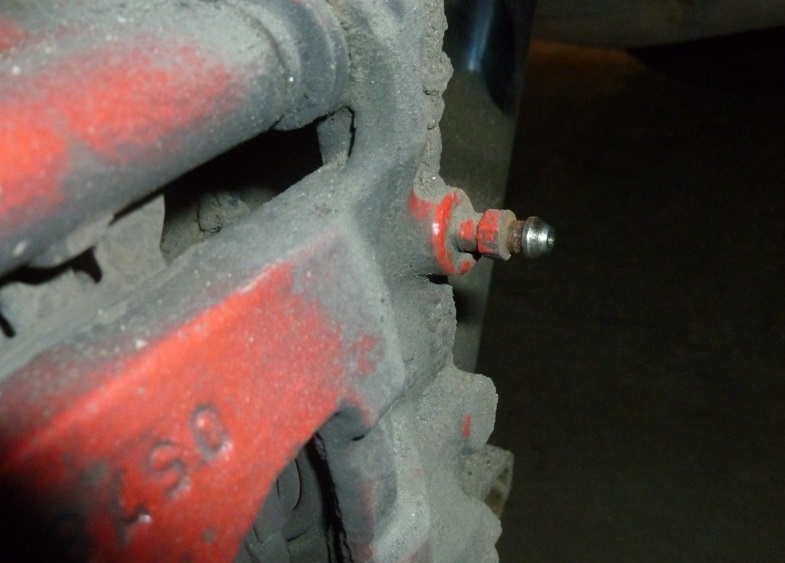
14. Remove the tube and wrench from the bleeder fitting, and place the protective rubber cap on the bleeder fitting.
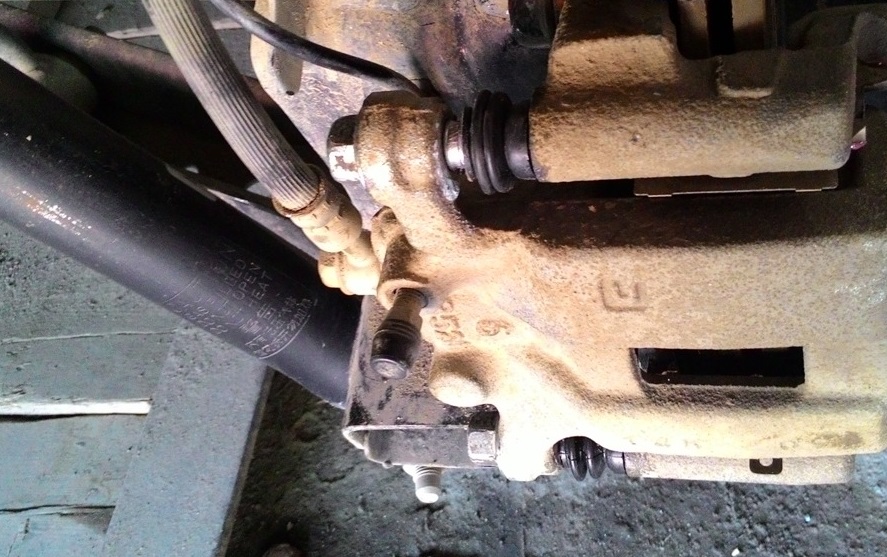
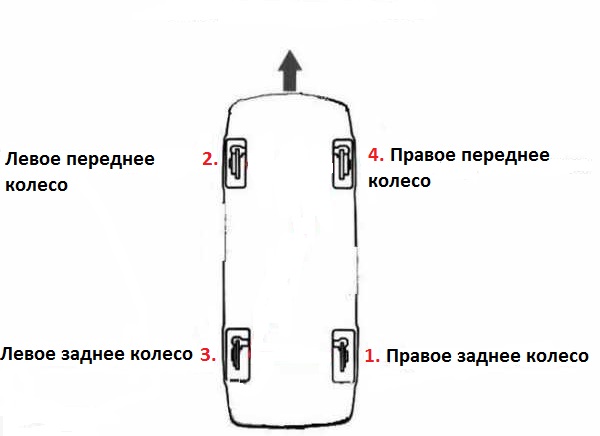
15. In the same way, bleed the Nissan X-Trail brakes in the order indicated, watching the fluid level in the reservoir of the master brake cylinder.
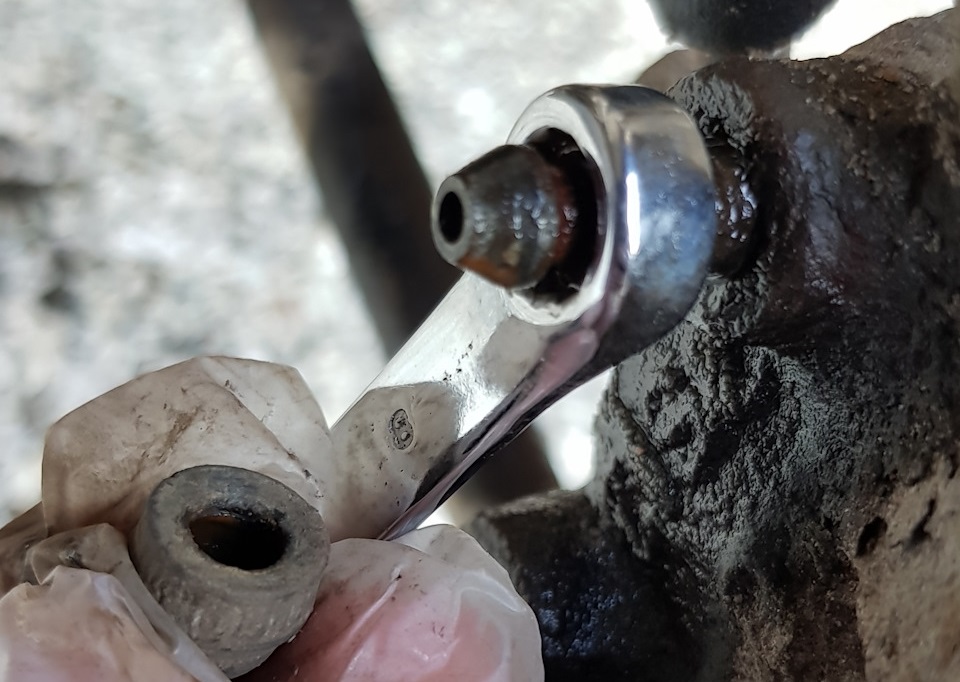
Note:
Before bleeding the brake mechanism of each wheel, add new brake fluid to the reservoir of the master brake cylinder to the MAX mark. Drained brake fluid must not be used !
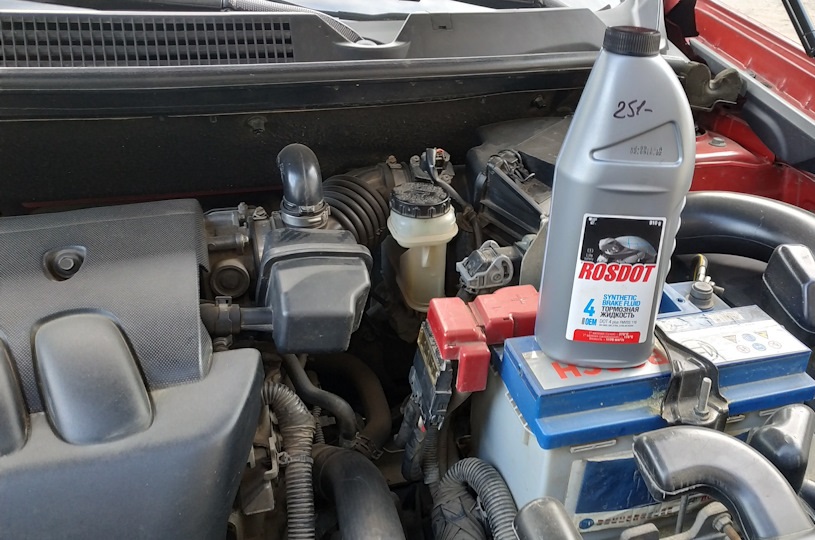
16. Press the brake pedal. Check the operation of the hydraulic drive and the absence of fluid leakage from the Nissan X-Trail brake fittings. If the pedal is still “soft” or moves below its normal operating position when pressed, check the brake system for leaks and repeat bleeding the hydraulic drive.
17. After completion of work, check and, if necessary, bring the fluid level in the tank to the MAX mark.
18. Start the engine and take a short trip. Check that the brake pedal travel has not changed and that the parking brake on and brake and anti-lock brake system warning lights do not come on.
Source: carpedia.club