![1 generation [2001 - 2005]](/uploads/Hyundai_Matrix_2002-2006_.jpg)


1. Run the engine for one to two minutes and then turn it off. Depress the brake pedal several times with normal braking force. If the first time you press the brake pedal, it is squeezed out to the stop, and with subsequent presses its stroke gradually decreases, the vacuum booster is working properly. If the pedal stroke remains unchanged after successive pressing, then the vacuum brake booster is faulty.
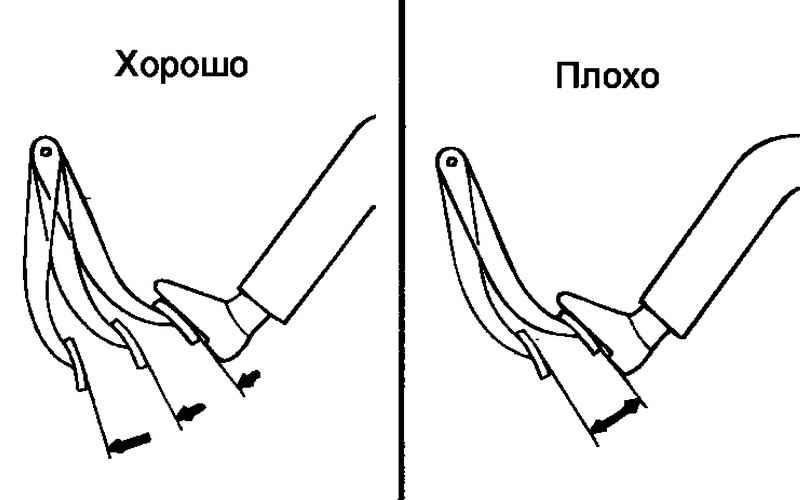
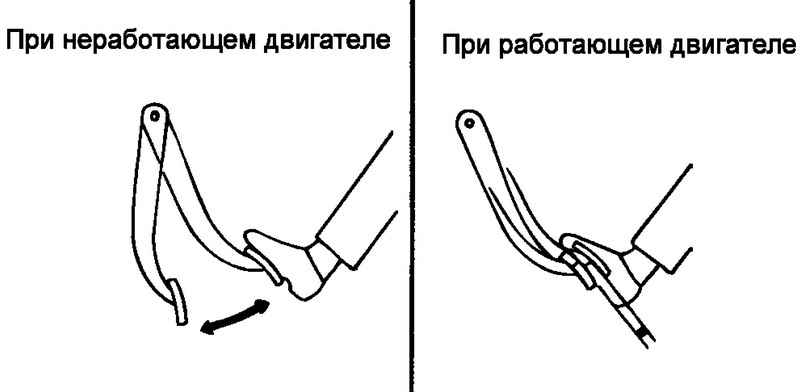
2. With the engine off, press the brake pedal several times and check that the brake pedal travel changes. Then, without releasing the brake pedal, start the engine. If the brake pedal is slightly lowered, this means that the vacuum booster is working. If, after starting the engine, the pedal remains in place, then the vacuum booster is faulty. With the engine running, depress the brake pedal and then stop the engine. Keep the brake pedal depressed for 30 seconds. If the position of the pedal does not change, then the vacuum brake booster is working. If the brake pedal rises, then the vacuum booster is faulty.
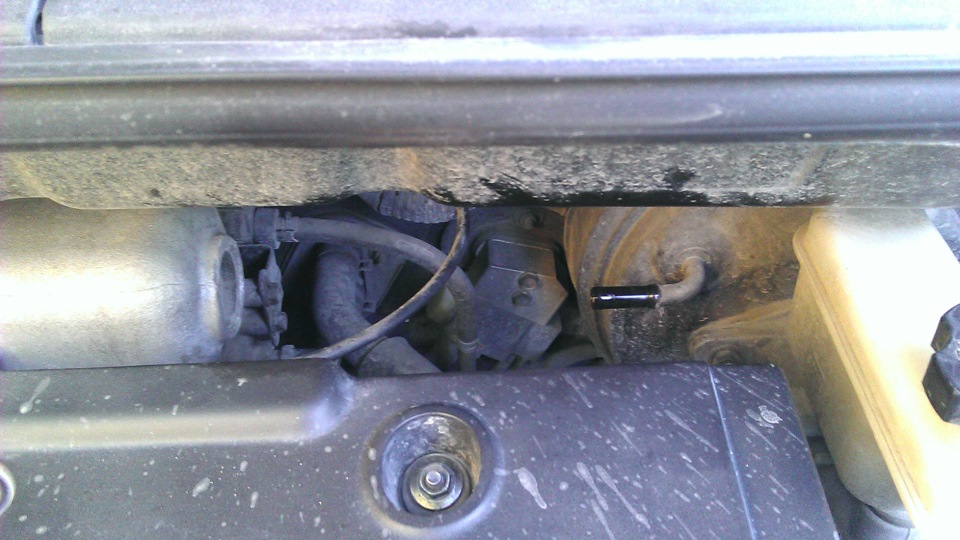
3. If the results of one of the checks carried out were unsatisfactory, you should look for a malfunction in the vacuum hose, check valve or vacuum brake booster.
Source: http://www.navigator.mn/hyundai-matrix/tormoznaya-sistema/obshchie-svedeniya/proverka-raboti-vakuumnogo-usilitelya-tormozov-bez-testera.html